Tilapia, a fast-growing fishery commodity in Indonesia, is gaining increasing attention in the context of global food security. Through the FAO Blue Transformation Roadmap 2022-2030, launched by the Food and Agriculture Organization of the United Nations (FAO), tilapia plays an important role in increasing food availability and supporting the sustainability of aquatic resources.
FAO Blue Transformation Roadmap Objectives and Strategies
The FAO Blue Transformation Roadmap 2022-2030 is an initiative launched by the Food and Agriculture Organization of the United Nations (FAO) to improve the sustainable management of marine and coastal resources. With a focus on improving the efficiency of fishery product value chains, reducing food waste and increasing fish consumption, the roadmap plays a major role in supporting long-term food security, including by relying on farmed fish such as tilapia.
As a commodity that is easy to produce and rich in nutritional benefits, tilapia fits well with the principles espoused by FAO’s Blue Transformation Roadmap. Here are some of the roles tilapia plays in food security in line with this global initiative.
1. Increased Efficiency of Fishery Product Value Chain
One of the key strategies in the Blue Transformation Roadmap is to improve the efficiency of the fisheries value chain.Regal Springs Indonesia, as a major tilapia producer, plays a role in ensuring that tilapia products are available in greater quantities and are affordable to the public. By using modern technology in fish farming, Regal Springs is able to increase tilapia productivity, reduce operational costs, and accelerate product distribution to the market. This not only improves the availability of fish in the domestic market, but also helps ensure a stable food supply for consumers.
2. Reduction of Food Waste and Loss
Reducing waste and (food-lost) is a key part of the Blue Transformation Roadmap, which aims to maximize the utilization of fishery products. Regal Springs Indonesia has implemented an efficient farming system to minimize waste in tilapia production. By using a greener approach and reducing waste in the supply chain, the company is contributing to the reduction of food loss, which in turn improves global food security.
3. Increasing Fish Consumption as a Source of Nutritious Food
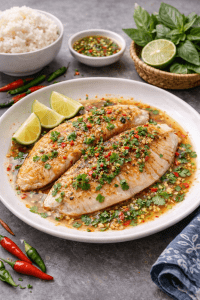
Fish consumption, especially in developing countries, is an important focus in the Blue Transformation Roadmap. Tilapia, which is rich in high-quality protein and omega-3 fatty acids, plays a major role in meeting people’s nutritional needs. Regal Springs Indonesia, with its quality-assured and fresh tilapia fish products, supports increased fish consumption in Indonesia and other developing countries. With the promotion of the health benefits of tilapia fish, consumption of this fish can be a nutritious and affordable food alternative for many people.
4. Development of Sustainable Fisheries and Aquaculture Practices
One of the key objectives of the Blue Transformation Roadmap is to support sustainable fisheries and aquaculture practices. Regal Springs Indonesia has long been committed to using environmentally friendly aquaculture practices, including the maintenance of good water quality and the use of sustainable fish feed. With this approach, they not only preserve the aquatic ecosystem but also ensure that tilapia production can continue without harming the environment, making it a sustainable food source.
5. Economic Empowerment of Coastal Communities
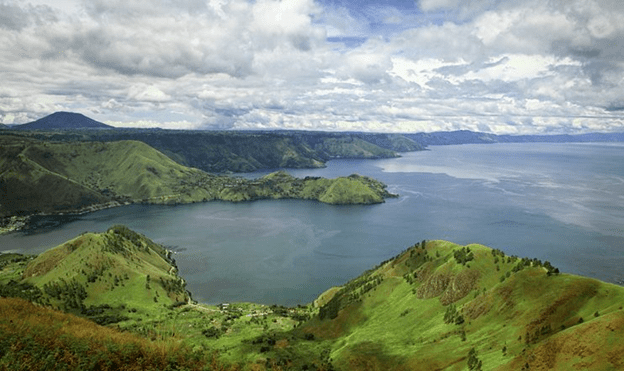
The Blue Transformation Roadmap also emphasizes economic empowerment through social inclusion. Regal Springs Indonesia positively impacts communities around farms such as in Lake Toba by creating jobs and empowering local people in the aquaculture industry. Through training and skills development programs, the company helps improve the welfare of coastal communities and ensures that they can participate in the tilapia value chain in a sustainable manner.
6. Resilience to Food Crisis
The Blue Transformation Roadmap also targets disaster resilience. By strengthening the global food security system, the roadmap aims to safeguard food supplies against disruptions caused by natural disasters or other crises. Tilapia, as a commodity that can be produced on a large scale with controlled aquaculture methods, can be an important food reserve in the face of emergency situations or food supply instability.
Tilapia Fish as a Pillar of Food Security
Tilapia, which has many advantages such as fast growth, efficient feed requirements, and high nutrient content, is one of the fishery commodities that plays a pivotal role in FAO’s Blue Transformation Roadmap 2022-2030. By supporting the principles of sustainability, value chain efficiency, and community empowerment, tilapia is not only a nutritious but also sustainable food solution for a better future.
As a leader in the fishing industry, Regal Springs Indonesia is committed to continuing to innovate and support this global initiative, ensuring that tilapia remains an essential part of a food system that is more equitable, efficient and resilient to global crises.