
Getting to Know Pilates: A Body Workout That Prioritizes Balance and Core Muscles
Pilates is a physical exercise method that focuses on core strength, flexibility, balance, and breathing. First introduced by Joseph Pilates in the early 20th century, this exercise is now increasingly popular, especially among urban communities seeking a low-impact yet effective form of exercise that can shape posture and improve quality of life.
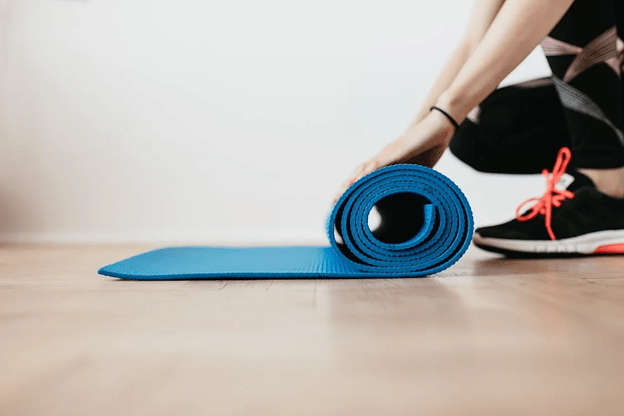
Unlike conventional strength training, Pilates combines controlled movements with deep breathing coordination. This exercise can be done using a Pilates mat or specialized equipment such as a reformer.
Benefits of Pilates for Physical and Mental Health
Various studies show that Pilates provides a number of important benefits for the body and mind, including:
- Strengthening core muscles, which are crucial for body stability and preventing injury.
- Improving flexibility and posture, especially for individuals who spend a lot of time sitting or working in front of a screen.
- Helps manage stress and increase body awareness through controlled breathing techniques.
- Improves balance and coordination, which is especially beneficial for the elderly.
- Reduces lower back pain, which is often caused by core muscle weakness.
However, to achieve optimal exercise results, the body requires nutritional intake that supports muscle recovery and new tissue formation, one of which is protein.
The Role of Protein in Supporting Pilates Effectiveness
After a Pilates session (especially an intense one), the body’s muscles experience microtrauma that requires repair. This is where protein plays a crucial role. Protein can help:
- Accelerate muscle recovery
- Support the formation of lean muscle mass
- Maintain energy balance and body metabolism
- Suppress excessive hunger after exercise
Here are three high-quality protein sources you can consume to support your Pilates workout:1.
1. Tilapia (20g protein per 100g – 34% RDA)
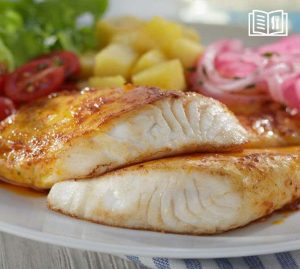
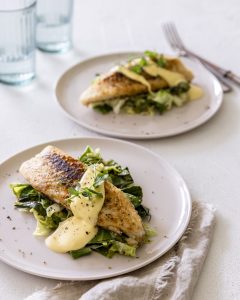
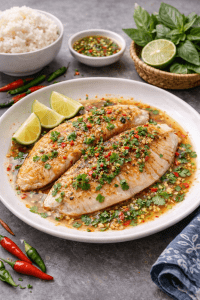
Tilapia is a freshwater fish rich in protein but low in saturated fat. Tilapia from Regal Springs Indonesia, for example, is responsibly produced and free of harmful chemicals, making it safe for regular consumption. With around 20 grams of protein per 100-gram serving, tilapia can meet approximately 34% of an adult’s daily protein needs.
In addition to its high protein content, tilapia also contains vitamin D and omega-3s, which are beneficial for the immune system and heart health. Its neutral flavor makes tilapia easy to incorporate into various healthy dishes such as soups, stir-fries, or grilled dishes.
2. Chicken Eggs (13g protein per 2 medium eggs)
Eggs are a highly accessible and economical source of animal protein. In addition to being rich in essential amino acids, eggs also contain choline, which supports brain function. The combination of egg whites and yolks provides a balance of pure protein and additional nutrients such as vitamins A, D, E, and B12.
3. Unsweetened Greek Yogurt (10g protein per 100g)
Greek yogurt is an ideal alternative for a healthy snack after Pilates. It has a thick texture and mild flavor, yet is high in protein. Greek yogurt also contains probiotics that support digestive health, which is essential for optimal nutrient absorption.
Ready for Optimal Pilates?
Pilates is an effective exercise for improving posture and strengthening core muscles. However, its benefits are maximized when combined with adequate protein intake. By incorporating tilapia, eggs, and Greek yogurt into your daily diet, you help your body better recover from muscle damage and build tissue.
Consistent training and proper nutrition are the keys to optimal results.