As global awareness of environmental sustainability continues to grow, the fishing industry is adopting various innovations to become more responsible toward nature. One of the approaches that has gained increasing attention is the whole fish principle, a concept that emphasizes utilizing the entire fish, ensuring that no part goes to waste.
What Is the Whole Fish Principle?
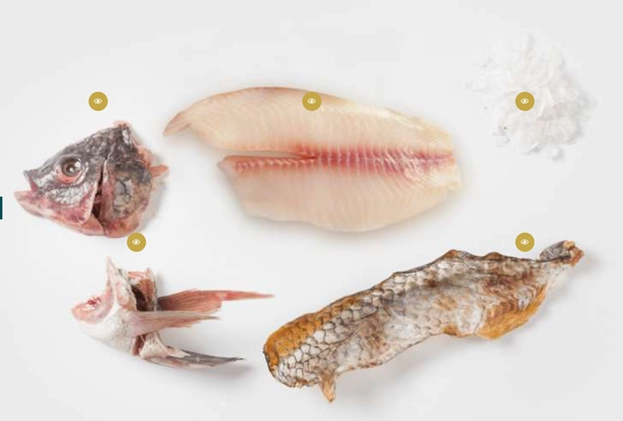
The whole fish principle means making full use of every part of the fish — not just the fillet. In this concept, all components such as skin, bones, scales, and internal organs are repurposed as raw materials for other industries.
The main goals are clear: to reduce waste, increase economic value, and support environmental sustainability.
Through this approach, one fish not only serves as a food source but also as a valuable raw material for high-value products such as cosmetics, pharmaceuticals, and even alternative energy.
Why Is This Principle Important for the Environment?
Every year, millions of tons of fish waste are discarded because only a small portion of the fish is used. This situation not only causes economic losses but also pollutes aquatic ecosystems.
By applying the whole fish principle, the fishing industry can:
- Reduce organic waste that could potentially contaminate water and land.
- Lower carbon emissions through more efficient production processes.
- Support a circular economy, where every by-product is transformed into new, useful products.
This approach aligns with global efforts to build a sustainable food system, where production and consumption go hand in hand with environmental balance.
Implementation of the Whole Fish Principle at Regal Springs Indonesia
As a pioneer in responsible tilapia aquaculture, Regal Springs Indonesia has implemented the whole fish principle throughout every stage of its production process.
At Regal Springs, no part of the tilapia goes to waste.
Through a strict and well-planned zero waste policy, all by-products from tilapia processing are reused across multiple industries.
Approximately 35% of each tilapia is processed into fillets, while the rest is utilized for:
- Pharmaceuticals: as natural supplements and collagen sources.
- Cosmetics: as ingredients for moisturizers and skincare products.
- Textiles: through the use of fish-based gelatin.
- Energy: by converting organic waste into biofuel.
This initiative minimizes negative environmental impacts while increasing the economic value of every farmed fish.
Positive Impact for Consumers and the Environment
When consumers choose products from Regal Springs Indonesia, they are not only getting nutritious and high-quality tilapia, but also supporting:
- Sustainable and environmentally friendly aquaculture practices.
- Efforts to reduce waste and water pollution.
- Greater awareness of responsible consumption.
In other words, every tilapia dish from Regal Springs delivers positive impacts — not only for human health but also for the planet.
Let’s Support the Whole Fish Principle!
The whole fish principle represents a concrete step toward a more sustainable future for the fishing industry.
Through its zero waste commitment and the comprehensive use of fish resources, Regal Springs Indonesia demonstrates that environmental responsibility can go hand in hand with quality and innovation.