

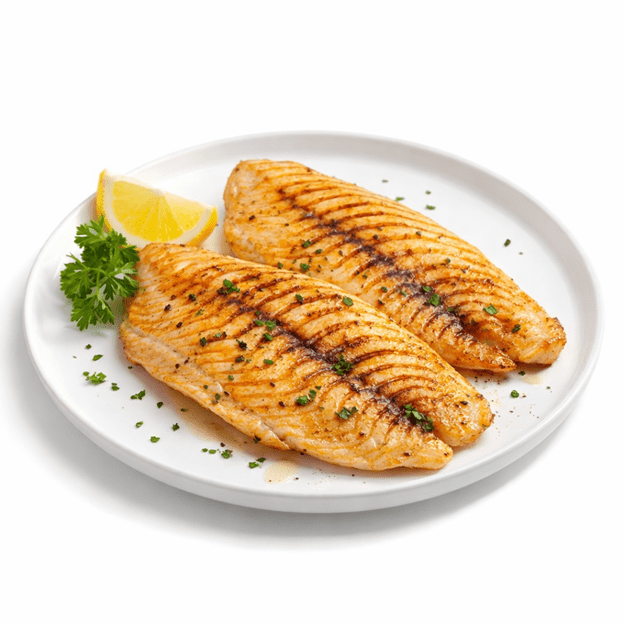
Tilapia is known as one of the most widely accepted types of fish across different age groups. Children, adults, and the elderly often enjoy tilapia because of its mild and non-overpowering taste. Unlike some other fish that have strong aromas and flavors, tilapia is known for its neutral taste.
So, what makes tilapia meat taste neutral and widely preferred? Below is an explanation from biological characteristics, farming processes, to consumption habits.
The Natural Characteristics of Tilapia Meat
Naturally, tilapia belongs to the white-fleshed fish category. This type of fish contains relatively low fat and has a fine muscle fiber structure. This combination makes the natural taste of tilapia mild, not bitter, and not overly fishy.
White-fleshed fish like tilapia also do not retain strong aromas like certain marine fish. This is one of the main reasons why tilapia has a lighter taste that is easily accepted by many people.
The Influence of Environment and Farming Methods
The taste of fish is strongly influenced by the environment where the fish grows. Tilapia raised in clean and controlled waters tends to have a cleaner and more neutral flavor.
In modern aquaculture systems, water quality, feed, and fish density are carefully managed. A stable environment helps fish grow without excessive stress, preventing the development of unwanted flavors or odors in the meat.
Regal Springs Indonesia implements an integrated farming system with strict monitoring of water quality and feed. This approach helps produce tilapia with a consistent, clean, and naturally neutral taste.
Low Fat Content
Tilapia contains lower fat levels compared to many other fish species. Fat often carries flavor and aroma. In high-fat fish, the taste can be stronger and more distinctive.
Because of its low fat content, tilapia does not leave a sharp aftertaste. This allows the fish to maintain a mild flavor that does not overpower dishes, making it suitable for various seasonings and cooking methods.
Absorbs Seasonings Easily
One of tilapia’s main advantages is its ability to absorb seasonings well. Because of its neutral taste, tilapia adapts easily to different culinary styles, whether traditional Indonesian cuisine, Asian dishes, or Western meals.
Tilapia can be prepared as pepes, soup, grilled, baked, stir-fried, or pan-seared without losing its tender character. For many people, this flexibility makes tilapia a favorite choice for daily meals.
Preferred by Children and First-Time Fish Consumers
For children or consumers who are not used to eating fish, a neutral taste is an important factor. Tilapia does not have the strong aroma that often causes children to reject fish.
This is why tilapia is often chosen as a first fish for children or as a safe family menu that is easily accepted by all household members.
Consistent Taste Over Time
Besides its natural characteristics, taste consistency is another reason tilapia is widely liked. Tilapia produced through modern aquaculture tends to have more stable quality compared to fish that heavily depends on seasonal or catch location variations.
This consistency gives consumers confidence because each time they buy and prepare tilapia, the taste remains relatively the same—not overly fishy, not bitter, and consistently tender.
The Natural Character of Tilapia Fish
The neutral taste of tilapia meat is not accidental. The natural characteristics of white-fleshed fish, low fat content, controlled farming environments, and proper production processes contribute to tilapia’s mild and widely accepted flavor.
With its clean taste, versatility across various dishes, and appeal across age groups, tilapia becomes an ideal fish for regular consumption. When responsibly farmed and quality is maintained, tilapia is not only delicious but also consistent and reassuring for consumers.