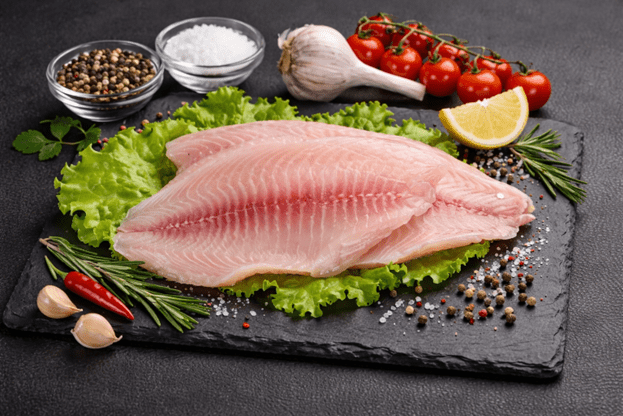
One of the common concerns consumers have when eating freshwater fish is an unpleasant odor often described as a “muddy smell.” However, in high-quality tilapia, this odor should not be present. In fact, properly farmed tilapia has a tender texture, clean taste, and neutral aroma.
So, what actually makes tilapia tender and free from muddy odor? The answer lies in the fish’s biological characteristics and the way it is farmed.
What Causes the Muddy Smell in Freshwater Fish?
Scientifically, the muddy smell in freshwater fish is caused by natural compounds called geosmin and 2-methylisoborneol (MIB). These compounds are produced by certain microorganisms such as algae and bacteria that thrive in waters with poorly maintained quality.
If fish live in environments with:
- stagnant water
- poor circulation
- excessive nutrients
- muddy and uncontrolled bottoms
these compounds can be absorbed into the fish’s fat tissues and create a muddy odor.
This means the muddy smell is not a natural trait of tilapia, but rather a result of poorly managed farming environments.
Tilapia Is Naturally Tender and Neutral in Flavor
Tilapia is a white-fleshed fish with fine muscle fibers and relatively low fat content. These biological characteristics naturally make tilapia:
- tender in texture
- mild in aroma
- free from sharp aftertaste
However, these natural advantages can only be fully realized when the fish grows in proper environmental conditions.
The Role of Farming in Preserving Texture and Aroma
Modern, controlled aquaculture plays a significant role in preventing muddy odor and maintaining tilapia’s meat quality. Important farming factors include:
Maintained Water Quality
Water with good circulation and stable oxygen levels prevents the growth of microorganisms that produce geosmin and MIB.
Proper Feed Management
Nutritionally controlled feed reduces excess organic waste in the water, keeping the environment clean.
Balanced Fish Density
Ideal stocking density reduces fish stress and helps maintain soft meat texture.
Routine Environmental Monitoring
Regular water quality monitoring ensures stable conditions throughout the farming cycle.
Why Regal Springs Indonesia Tilapia Does Not Smell Muddy
Regal Springs Indonesia farms tilapia in the natural waters of Lake Toba, which are deep and well-circulated, using an integrated farming system from upstream to downstream. Water quality is monitored regularly, feed is precisely formulated, and all processes follow international standards.
This approach scientifically:
- prevents the formation of muddy-odor compounds
- ensures fish grow with low stress levels
- produces softer and more consistent meat texture
- results in clean and neutral fish aroma
That is why tilapia from Regal Springs Indonesia is known for being free from muddy odor and easy to prepare without additional treatments to remove unpleasant smells.
Direct Benefits for Consumers
For consumers, mud-free tilapia offers many advantages:
- no need for excessive soaking or heavy seasoning
- the natural fish flavor stands out
- suitable for various types of dishes
- preferred by children and families
Its tender texture also allows the fish to cook evenly and remain juicy when prepared.
High Quality and Delicious
The tender texture and clean aroma of tilapia are not accidental. Scientifically, these qualities are largely determined by the farming environment and system. Muddy odor arises from poorly managed water conditions—not from the fish’s natural characteristics.
Through modern, controlled aquaculture practices like those implemented by Regal Springs Indonesia, tilapia can grow under optimal conditions, resulting in fish that is tender, mud-free, delicious, and high quality for daily consumption.