

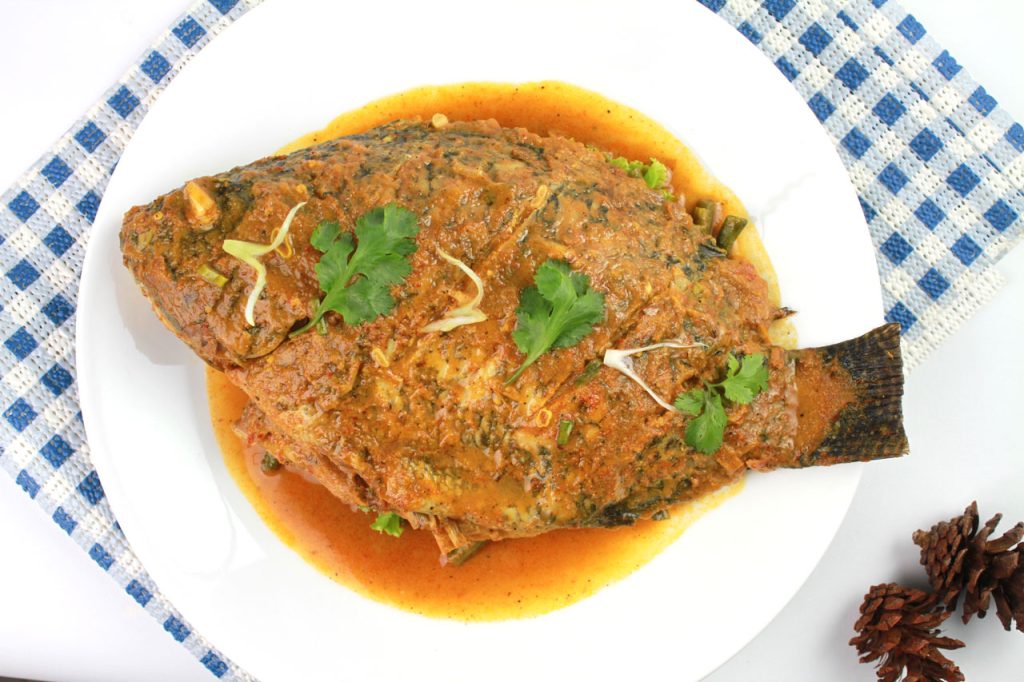
Ramadan is a time to cultivate patience while maintaining good health. One of the keys to staying strong and productive throughout the day is choosing a high-protein suhoor menu. It’s not just about feeling full, but about providing stable, long-lasting energy until iftar.
So, why is protein important at suhoor? And what does an ideal suhoor menu look like?
Why Is a High-Protein Suhoor Important?
During fasting, the body does not receive food or drinks for approximately 13–14 hours. Energy depends not only on carbohydrates, but also on how the body manages its nutrient reserves.
Protein plays a vital role because it helps you feel full longer, maintains muscle mass during fasting, supports a stable metabolism, and enables the body to produce energy gradually.
Unlike foods high in simple sugars that cause a rapid spike and drop in energy, protein is digested more slowly, helping sustain stamina throughout the day.
Why Is Fish Suitable for Suhoor?
One ideal source of protein for suhoor is fish, including tilapia. Fish is known as a high-quality protein source, easier to digest compared to red meat, rich in healthy fats, and lower in saturated fat.
Tilapia from Regal Springs Indonesia is produced according to international food safety standards and has obtained HACCP certification, ensuring quality and safety from upstream to downstream processes.
Choosing fish as part of your suhoor menu helps the body feel comfortable, not overly heavy, while staying energized throughout the day.
Practical High-Protein Suhoor Menu Ideas
Here are some easy high-protein suhoor ideas:
- Brown rice, grilled tilapia, and sautéed vegetables. A combination of complex carbohydrates, protein, and fiber helps maintain stable energy levels.
- Baked tilapia, boiled potatoes, and salad. Perfect for those who prefer a lighter yet satisfying suhoor.
- Fish soup with tofu and vegetables. A comforting dish that supports hydration while providing additional protein intake.
Tips to Maintain Energy During Fasting
In addition to choosing a high-protein suhoor, consider the following tips:
- Drink sufficient water at suhoor.
- Combine protein with complex carbohydrates such as brown rice, oatmeal, or potatoes.
- Avoid excessive fried foods.
- Limit overly sweet foods.
With the right nutritional balance, the body can use energy more efficiently throughout the day
Suhoor Is Not Just About Feeling Full
A good suhoor is not about large portions, but about nutritional quality. Protein plays an essential role in maintaining endurance, especially during Ramadan.
Choosing light, nutritious, and high-quality protein sources such as tilapia fish can be a simple step toward experiencing a more comfortable and productive fast. Ramadan is a time to maintain balance—including balanced nutrition. Start your suhoor with wiser and healthier choices.