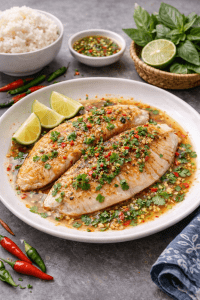
Have you ever bought tilapia from different places and noticed a significant difference in taste? Some taste fresher and lighter, while others have a strong muddy aroma or a texture that’s too soft.
Many people assume all tilapia is the same. However, the taste of fish is greatly influenced by the environment in which it’s farmed. Everything from water quality, farming systems, feed, and even post-harvest handling can affect the fish’s taste, aroma, texture, and even nutritional quality.
Therefore, the quality of the fish actually begins to develop long before it reaches the kitchen.
Why Do Fish Have a Muddy Smell?
One of the most common reasons why freshwater fish have a muddy aroma is the environmental conditions in which they live.
In some aquaculture systems, fish live in waters with suboptimal water quality or too close to the muddy bottom. These conditions can affect the fish’s natural aroma and produce a strong earthy or muddy flavor.
Conversely, tilapia farmed in clean waters with good water circulation tends to have a cleaner and milder flavor.
According to Dr. Dase Hunaefi from the SEAFAST Center at IPB University, factors such as the quality of the aquaculture, ponds, feed, and even the use of antibiotics can affect the taste and nutritional content of fish. In discussing the food quality of tilapia, he also touched on the importance of sensory or organoleptic aspects of fish, including taste and aroma.
Water Quality Critically Determines Fish Quality
Water is the fish’s “home.” If the water quality is poor, the fish’s condition will also be affected.
In modern aquaculture, water quality is usually monitored regularly, including oxygen levels, temperature, pH, and cleanliness of the aquaculture environment.
A stable environment helps fish grow healthier and reduces stress.
This is important because fish experiencing excessive stress can experience decreased meat quality, both in terms of texture and flavor.
It’s no wonder that water quality is a key indicator in premium seafood aquaculture.
Natural Waters Help Produce a Cleaner Flavor
Tilapia farmed in deep, natural waters generally have a different flavor than fish raised in muddy ponds.
In open water, fish have more room to move and water quality tends to be more stable. This helps produce a firmer meat texture and a fresher flavor.
Furthermore, fish that don’t interact much with the muddy bottom typically have a more neutral, less “earthy” aroma.
This also aligns with Dr. Dase Hunaefi’s discussion on good and sustainable fish
farming, which can produce fish with a better flavor and less of an earthy odor.
Fish Feed Also Affects Taste and Nutrition
In addition to water quality, the type of feed used in aquaculture also influences fish quality.
Good feed helps support fish growth while maintaining nutritional balance and meat texture. In fact, the fat composition in the feed can affect the fat profile of fish fillets.
Therefore, modern fish farming not only pursues rapid growth but also pays
attention to the quality of the final product.
Fish Texture Is Shaped During the Cultivation Period
Good fish texture isn’t just a matter of cooking method. Environmental factors and the fish’s growth patterns also play a significant role.
Fish that grow in environments with ample space to move around typically have firmer meat textures that don’t fall apart easily during cooking. Conversely, fish grown in less than ideal conditions can produce softer or less consistent textures.
In the premium seafood industry, texture quality is even a crucial aspect of culinary performance because it influences the final cooked result.
Consumers Are Now More Concerned About Food Origin
Today, many consumers are starting to pay attention to where their food comes from and how it’s produced.
It’s not just about taste, but also about the quality of the farming environment, food safety, and responsible farming practices.
Therefore, traceability and sustainable farming systems are increasingly becoming a concern in the modern seafood industry.
Choosing Fish Isn’t Just About Price
Differences in fish taste don’t happen by chance. The farming environment plays a significant role in shaping the quality of the fish, from aroma and texture to the eating experience.
From water quality, farming systems, feed, and post-harvest handling, everything is interconnected in producing high-quality tilapia.
So, when choosing fish, perhaps the question is no longer just “what fish to buy?”, but also “how was the fish raised?”
As tilapia farmed in natural lakes using a responsible farming approach, Naturally Better Tilapia® from Regal Springs Indonesia boasts a clean taste, firm texture, and is free of muddy odor. Processed with maintained quality and food safety standards, our tilapia can be a practical choice for various everyday dishes or healthy family menus.