Nile or tilapia fish is a freshwater fish with high economic value. This fish is extensively cultured in Indonesia due to its high tolerance to changes in water quality. However, good water quality is essential to support the survival and growth of tilapia fish.
In this article, we will discuss seven water quality indicators that need to be considered in tilapia fish farming efforts. Additionally, we will explain how Regal Springs Indonesia maintains water quality and healthy fish farming in Lake Toba.
Here are 7 water quality indicators for healthy tilapia fish farming:
1. Water acidity level (pH)
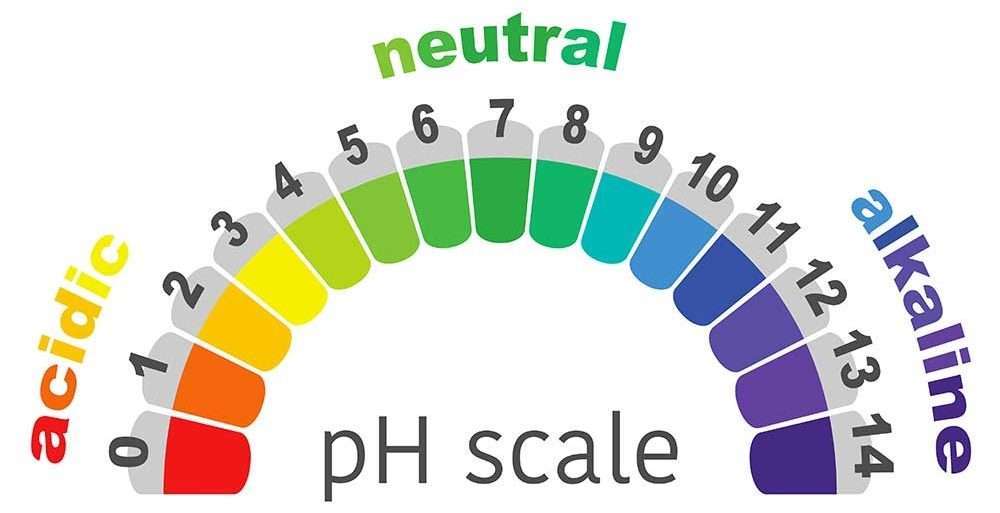
Water acidity level, or pH, is one of the key indicators of water quality that needs to be considered in tilapia fish farming. These fish prefer to live in water with neutral to slightly alkaline pH, around 6.5 to 8.5. pH levels outside this range can cause stress to fish and disrupt their growth.
2. Dissolved oxygen (DO)
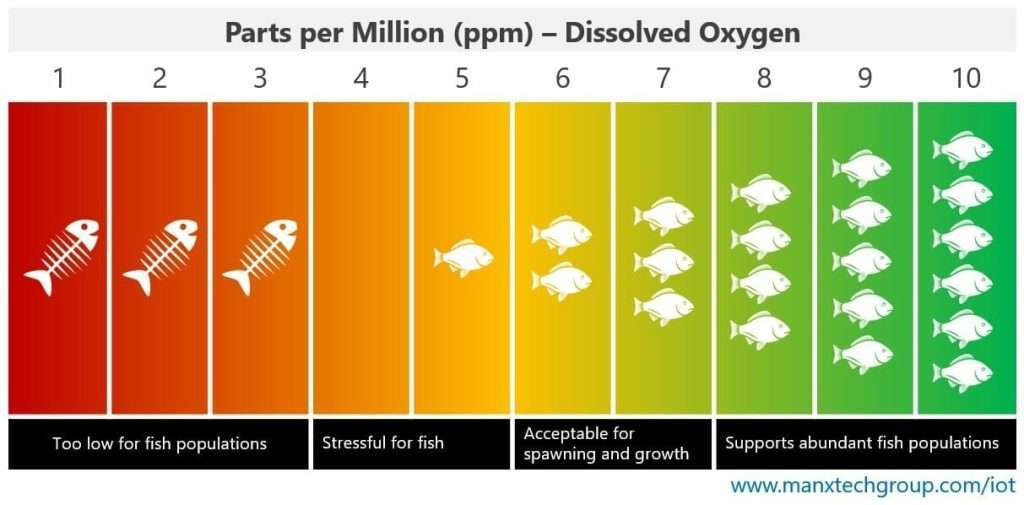
Dissolved oxygen in water is crucial for tilapia fish. These fish require sufficient oxygen levels to breathe and grow properly. Therefore, it is necessary to ensure that the water used for tilapia fish farming has a minimum dissolved oxygen level of 5 mg/L. If the dissolved oxygen level is below 5 mg/L, tilapia fish will have difficulty breathing and can lead to death.
3. Water temperature

Water temperature is also a key factor in tilapia fish farming. The ideal water temperature for tilapia fish farming is between 25 to 30°C. Temperatures that are too high or too low can disrupt fish growth and reproduction.
4. Water clarity
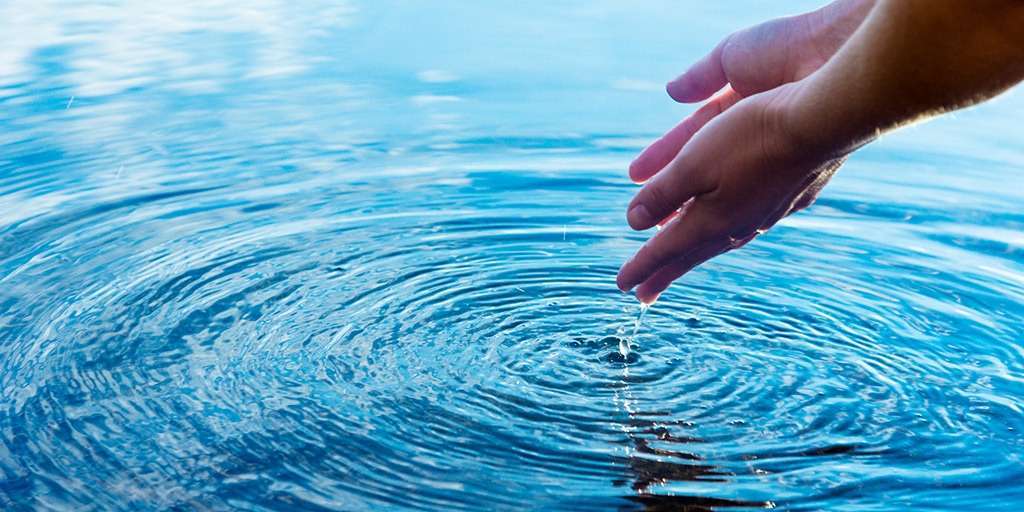
Water clarity is a visual indicator of water quality. Cloudy or discolored water can indicate problems such as contamination or pollution. Good water clarity is a sign that the tilapia fish environment is in optimal condition. Poor or murky water quality can make tilapia fish susceptible to disease.
5. Organic matter content

The organic matter content in water, such as fish food remnants and organic waste, can affect water quality. High levels of organic matter can lead to increased levels of ammonia and nitrite in water, which can be potentially harmful to fish. Therefore, waste and feed management should be carefully considered.
6. Heavy metal content
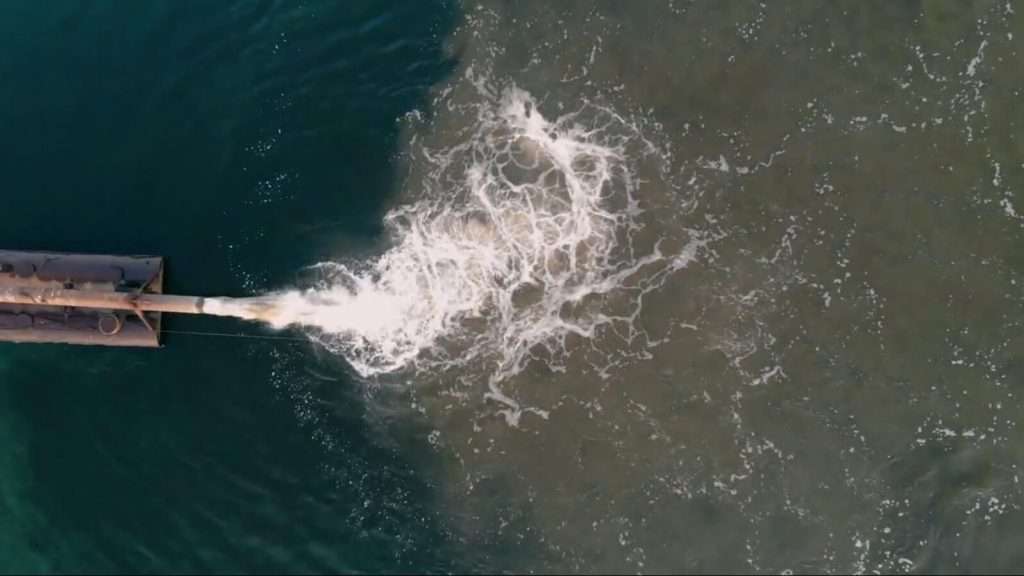
Heavy metal content in water poses a serious threat to the health of Nile or tilapia fish. Heavy metals such as mercury and lead can accumulate in the fish’s body and potentially be toxic if consumed by humans. Monitoring and controlling heavy metal content in water is crucial in the cultivation of these fish.
7. Bacteria and parasite content
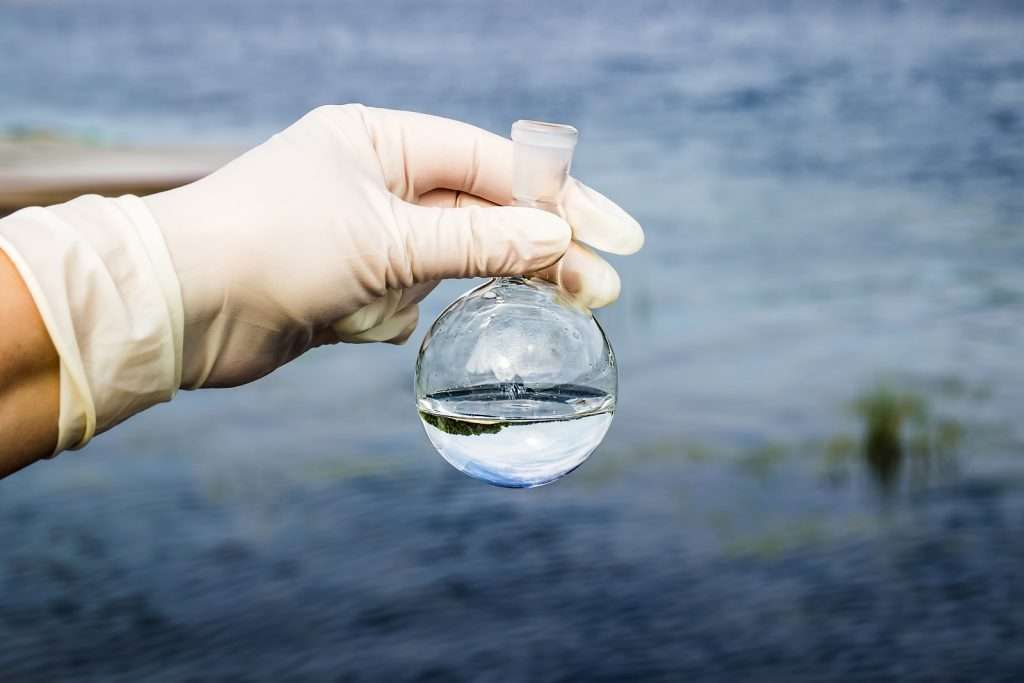
Bacteria and parasite content in water can cause disease in tilapia fish. Therefore, it is important to maintain water cleanliness and conduct routine inspections to identify possible bacteria or parasite presence in the water where the fish live.
Regal Springs Indonesia Tilapia
Regal Springs Indonesia is one of the leading producers of Nile or tilapia fish that prioritizes water quality in cultivation. Tilapia fish produced by Regal Springs Indonesia are placed in freshwater lake environments with excellent water conditions. Lake Toba in North Sumatra, where Regal Springs Indonesia’s fish farming takes place, has water conditions that are regularly checked to ensure that all water quality indicators are within the ideal range.
One of the main advantages of Regal Springs Indonesia is that the tilapia fish are allowed to swim in strong natural lake currents. This practice helps the fish to be healthier and stronger. Compared to fish raised in shallow and muddy waters, Regal Springs Indonesia’s tilapia fish have a more natural and better living condition.
Additionally, the feed given to Regal Springs Indonesia’s tilapia fish is specially formulated floating plant-based feed that is rich in nutrients. This feed is carefully selected to meet the nutritional needs of the fish and is free from harmful chemicals, mercury, and preservatives. This helps ensure that the fish produced by Regal Springs Indonesia are safe to consume and of high quality.
In Nile or tilapia fish farming efforts, water quality is a major factor affecting the health and growth of fish. By paying attention to the seven water quality indicators mentioned above and with good farming practices, such as those conducted by Regal Springs Indonesia, you can produce high-quality and safe-to-consume tilapia fish.