
Cycling: A Healthy Lifestyle That’s Always Trending
In recent years, cycling (or gowes) has become increasingly popular. From casual communities gathering on weekends to folding bike and road bike enthusiasts regularly tackling tens of kilometers. Besides being good for the heart and strengthening muscles, cycling has also become a popular way to explore the city without vehicle pollution.
The cycling trend has become more serious, with challenges like “all-day rides” or “bike to work,” making cycling a lifestyle that is increasingly embedded in daily activities. However, many people don’t realize that a balance of nutrients and electrolytes, including potassium, is crucial for staying strong, preventing fatigue, and preventing muscle cramps.
What Is Potassium and Why Is It Important?
Potassium is an essential mineral and electrolyte that the body needs to:
- Maintain fluid balance
- Help muscle and nerve function
- Stabilize blood pressure
- Support energy metabolism
Potassium works alongside sodium to ensure proper muscle contraction, including those actively used during prolonged cycling.
Potassium for Cyclists: What Are the Benefits?
Cyclists, especially those who cover long distances or cycle under the hot sun, lose significant amounts of fluid and electrolytes through sweat. Potassium deficiency can cause:
- Sudden muscle cramps
- Weakness and fatigue
- Decreased physical performance
- Decreased concentration
Conversely, meeting potassium needs before and after cycling can help:
- Keep muscles flexible and energized
- Reduce the risk of injury and muscle soreness
- Stabilize heart rate and blood pressure
- Speed up recovery after long rides
What Does Science Say About Potassium and Physical Activity?
A study in the journal eBiomedik from Sam Ratulangi University shows that potassium levels in the body can change depending on the type of physical activity undertaken. During light activity, potassium levels tend to increase after exercise. However, when the body undergoes more strenuous physical activity, such as competitive sports or intensive training, potassium can be rapidly depleted.
This means that our bodies do have an adaptive system for changing potassium levels. However, to ensure the body remains in optimal condition, especially when cycling in hot weather or for long periods,potassium intake is still important.
Potassium-Rich Foods Suitable for Cyclists
The good news is that potassium can be found in many everyday foods. Here are some practical options that can be consumed before and after cycling:
1. Banana
This fruit has become a must-have snack for cyclists. It’s easy to carry, quick to consume, and high in potassium.
2. Avocado
Besides being high in potassium, avocados are also rich in healthy fats that are good for the heart.
3. Boiled Potatoes
A source of complex carbohydrates and natural electrolytes. Perfect for breakfast before cycling.
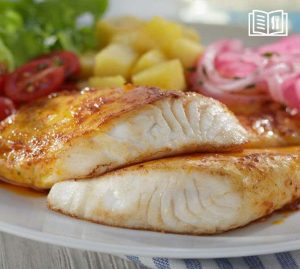
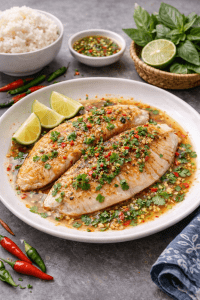
4. Tilapia Fish
Not only is tilapia rich in protein (20 grams per 100 grams of fillet), it also contains balanced levels of potassium, which supports muscle and heart function. Combined with vitamin D and calcium, and low in fat, tilapia is an ideal menu for post-workout recovery.
Potassium Nutrition Tips Before and After Cycling
Before Cycling:
- Eat a banana or whole wheat bread with avocado
- Drink water or natural coconut water
After Cycling:
- Enjoy grilled tilapia with steamed vegetables
- Consume a smoothie made from banana and plant-based milk
- Add boiled potatoes for a source of carbohydrates and potassium
Let’s Cycle and Live Healthier!
Cycling is healthy, but the body still needs fuel and maintenance. One key is ensuring adequate potassium intake to maintain stable performance, prevent muscle cramps, and speed up recovery.
With menu options like Regal Springs Indonesia tilapia, you’ll not only get potassium, but also high protein and other complete nutrients. So, before pedaling or after traveling tens of kilometers, make sure your body is well-nourished.
Because cycling may be light, but your intake must be strong!