During Ramadan, many people become more mindful of what they consume. Limited eating windows encourage us to be more disciplined, selective, and attentive to nutritional balance. However, once Eid al-Fitr arrives, these good habits often gradually fade away.
In fact, the momentum of Ramadan can serve as a starting point for long-term lifestyle improvements. The challenge is how to maintain a controlled eating pattern after the fasting month ends.
Positive Habits Formed During Ramadan
Without realizing it, Ramadan helps establish several healthy patterns, such as:
- More regular meal schedules
- Greater awareness of portion sizes
- Reduced excessive snacking during the day
- Better self-control over sweet foods and drinks
These habits are actually beneficial for metabolism if continued after Eid al-Fitr.
Challenges After Eid
As Eid begins, eating patterns shift again. Invitations, cookies, and festive dishes increase both meal frequency and portion sizes.
If not managed properly, this transition can lead to:
- Weight gain
- Irregular eating patterns
- Excess sugar and fat consumption
- Unstable energy levels
That’s why the transition period from Ramadan to Eid should be handled wisely.
How to Maintain Healthy Eating Habits
To prevent good habits from disappearing, here are some practical steps you can apply:
Maintain a Regular Eating Schedule
Keep consistent main meal times and avoid continuous, unstructured snacking.
Pay Attention to Plate Composition
Ensure each meal includes protein, complex carbohydrates, and vegetables.
Control Portions
Enjoy festive dishes in moderation without taking excessive amounts.
Stay Physically Active
Light physical activity helps maintain energy balance.
Choose Lighter Protein Sources
Replacing some high-fat dishes with proteins that are easier to digest can help keep the body comfortable.
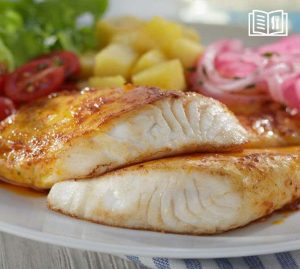
Fish is one protein source that can be part of a sustainable eating pattern. Its tender texture makes it versatile for various family meals.
Tilapia, for example, can be prepared as grilled, steamed, or simple stir-fried dishes that remain delicious without excessive fat. Products from Regal Springs Indonesia are produced according to international food safety standards and have obtained HACCP certification, ensuring quality for daily consumption.
Making Eid a Fresh Start
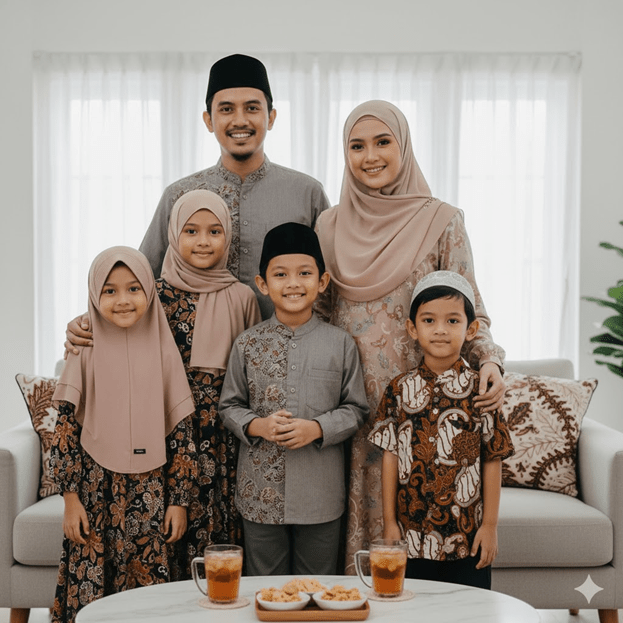
Eid al-Fitr symbolizes returning to purity. This spirit can also be applied to adopting a more balanced lifestyle. The good habits formed during Ramadan don’t have to end when the month concludes.
By consistently making mindful food choices and managing portions, health can be maintained even after the celebrations are over. From Ramadan to Eid al-Fitr, this journey can mark the beginning of a renewed commitment to a healthier and more sustainable lifestyle.