
After fasting all day, iftar (breaking the fast) often turns into a moment of indulgence—eating whatever is available. In fact, the body needs the right, balanced nutrition to restore energy without making the stomach feel heavy.
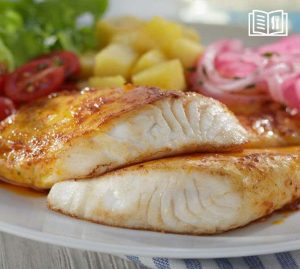
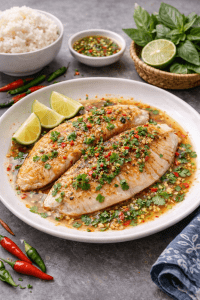
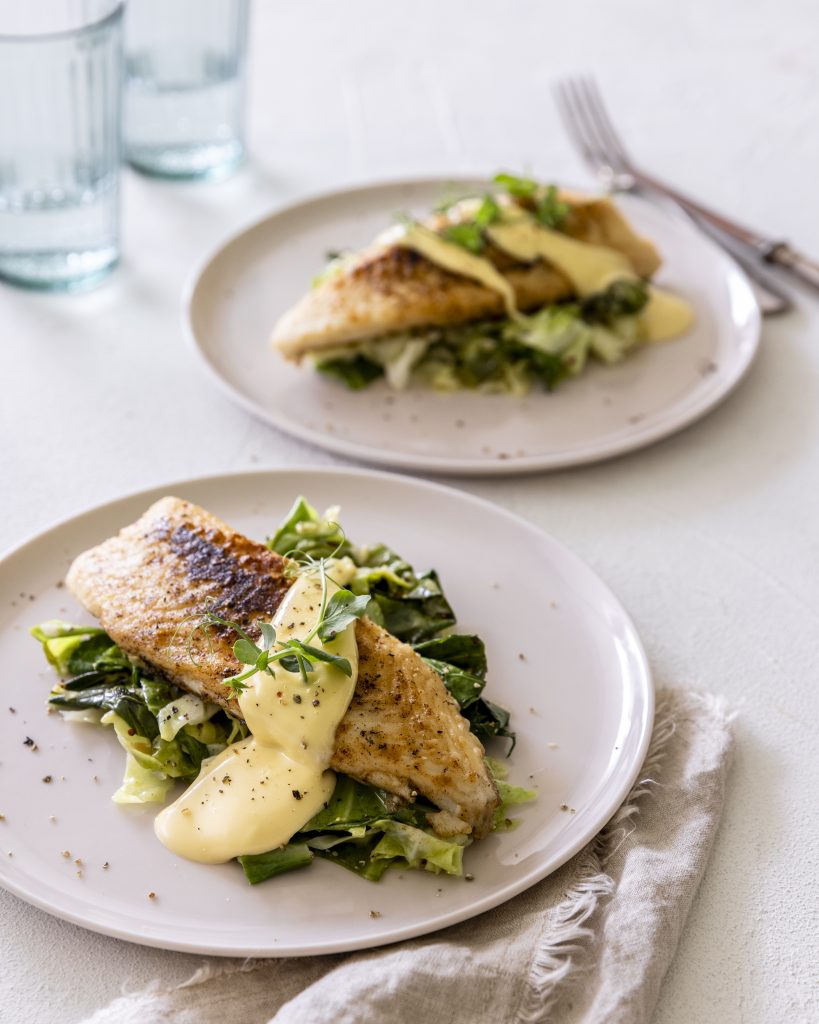
Choosing a healthy, well-balanced iftar menu is an important step to maintaining stamina throughout Ramadan. One of the best options to consider is fish-based dishes.
Why Is Balanced Nutrition Important at Iftar?
During fasting, blood sugar levels drop and the body gradually uses its stored energy. When it’s time to break the fast, the body needs:
- Carbohydrates to quickly restore energy
- Protein to repair and maintain body tissues
- Healthy fats as an additional energy source
- Fiber and vitamins to support digestion
If you break your fast with foods high in sugar and excessive fat, your energy may spike quickly—but it can also drop drastically afterward. As a result, the body may feel weak and sleepy.
That’s why it’s important to plan an iftar menu with balanced nutritional composition.
Why Is Fish Ideal for Iftar?
Fish is a high-quality protein source that is easy for the body to digest. Compared to red meat, fish is generally lighter on the stomach, making it more comfortable to consume after hours of fasting.
Some advantages of fish for iftar include:
- High protein to help the body recover
- Healthy fats that support heart health
- Tender texture and easy preparation
- Easier digestion, reducing bloating
Tilapia, for example, is known for its mild flavor and tender texture, making it suitable for a variety of family dishes. Tilapia products from Regal Springs Indonesia are produced according to international food safety standards and meet HACCP certification requirements, ensuring consistent quality.
Healthy Iftar Menu Ideas with Fish
To avoid repetitive meals, here are several healthy, balanced fish-based iftar menu ideas that are easy to prepare at home:
Grilled Fish with Dabu-Dabu Sambal + Warm Rice + Vegetable Urap
Grilled fish provides high protein with minimal oil. Paired with fiber-rich vegetable urap, this menu helps maintain comfortable digestion after a day of fasting.
Tilapia Fillet with Homemade Teriyaki Sauce + Quinoa or Brown Rice + Stir-Fried Bell Peppers
A combination of protein, complex carbohydrates, and colorful vegetables helps meet energy needs while supplying essential vitamins and minerals.
Pepes Fish with Basil + Boiled Corn + Fresh Vegetables
Pepes (banana leaf-wrapped steamed fish) is a low-oil cooking method that preserves the fish’s natural flavor. Adding corn as a complex carbohydrate helps maintain stable energy levels.
Healthy Fish Tacos with Whole-Wheat Tortilla + Tomato Salsa + Avocado
A modern yet balanced option. Whole-wheat tortillas provide extra fiber, while avocado contributes healthy fats.
Grilled Fish Protein Salad + Boiled Potatoes + Lemon Olive Oil Dressing
A light yet satisfying meal—perfect for those who prefer breaking their fast without feeling overly full.
To keep nutrition balanced, ensure each iftar meal includes a source of carbohydrates, protein, healthy fats, and vegetables. With the right fish preparations, breaking the fast can remain delicious, nutritious, and supportive of stamina until suhoor.
Tips for a Healthy Iftar
To keep your body comfortable after breaking the fast, consider the following:
- Eat slowly and avoid overeating
- Avoid consuming large portions of heavy food immediately
- Limit fried foods and high-sugar dishes
- Ensure adequate water intake until suhoor
With proper eating habits, your body can regain energy without feeling overly full or fatigued.
Making Ramadan Healthier
Ramadan is not only about refraining from food, but also an opportunity to improve eating habits. Choosing a healthy, balanced iftar helps keep your body functioning optimally throughout the holy month.
Fish dishes can be a practical solution for serving meals that are delicious, nutritious, and easy on digestion. With quality ingredients and proper preparation, iftar can be both enjoyable and beneficial for the whole family.