What Is Scuba Diving?
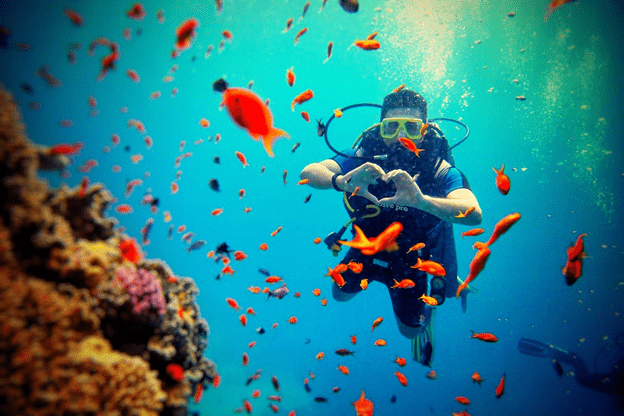
Scuba diving is the activity of diving underwater using a breathing apparatus (SCUBA) in the form of an air tank. This activity allows divers to directly explore underwater life, from coral reefs and tropical fish to complex marine ecosystems.
Scuba diving has become a trending adventure tourism destination in many Indonesian destinations such as Raja Ampat, Bunaken, Labuan Bajo, and Wakatobi. Besides being exciting and challenging, diving also provides a meditative experience that strengthens the human connection with nature..
Physical Activities That Require Recovery
Although it may seem relaxing, scuba diving is actually quite demanding, such as:
- Water pressure and cold temperatures affect the body’s metabolism
- Muscle use for swimming and maintaining stability in the water
- Breathing control and mental focus during the dive
- Body adaptation to depth and pressure changes
That’s why the body often feels tired, sore, or even hungry after diving. Proper recovery is essential for restoring stamina and preventing long-term fatigue.
Scuba Diving Recovery Tips
Optimal recovery isn’t just about rest, but also includes:
- Adequate hydration to replace body fluids
- Gentle stretching to prevent muscle stiffness
- Adequate sleep to repair the nervous system
- Consuming foods high in protein to accelerate muscle and tissue regeneration
High-Protein Menus for Recovery After Diving
Protein is a key nutrient in physical recovery because it plays a role in building and repairing muscle tissue. Here are some recommended high-protein menus after scuba diving:
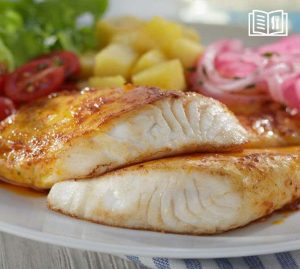
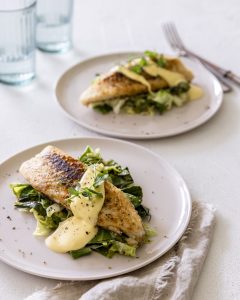
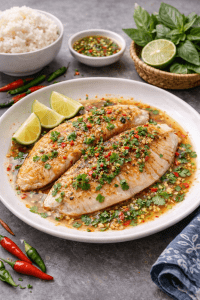
1. Grilled Tilapia with Steamed Vegetables
Tilapia, for example, from Regal Springs Indonesia, contains:
- 20 grams of protein per 100 grams of fillet (equivalent to 34% of daily needs)
- 110 kcal of energy to fuel you after diving
- 0.5 grams of total fat and 0 grams of saturated fat
- Vitamin D, potassium, and calcium for muscle function and endurance
Tilapia is easy to digest, low in fat, and suitable as a healthy and light menu after diving.
2. Boiled Egg and Avocado on Whole Wheat Bread
- Complete source of animal protein
- Healthy fats from avocado support cell recovery
- Whole wheat bread provides energy from complex carbohydrates
3. Greek Yogurt with Honey and Nuts
- Rich in protein (whey and casein)
- Probiotics aid digestion
- Nuts provide additional healthy fats and fiber
4. Chicken Soup with Vegetables
- Some vegetables contain complete plant-based protein
- Warm soup helps relax the body
- Vegetables provide essential vitamins and minerals
5. Protein Smoothie with Banana and Plant-Based Milk
- Easily absorbed and doesn’t burden the digestive system
- Perfect for quick recovery if you’re not ready for a heavy meal
- Can be supplemented with protein powder and oats for additional nutrition
Ready to Recover Faster After Scuba Diving?
Scuba diving is a physically and mentally demanding activity. To help the body recover fully, consuming foods high in protein is highly recommended.
Tilapia from Regal Springs Indonesia is a smart choice for a recovery meal: high in protein, low in fat, and rich in essential nutrients like vitamin D, potassium, and calcium.
Refuel with healthy food to be ready for your next underwater exploration.