
After the long Eid holiday, many workers are returning to their Work From Office (WFO) routines. During these initial weeks back, it is common to feel like the body is still adjusting to the rhythm of daily activities. One of the most frequent complaints is the “post-lunch dip” or feeling sleepy after midday meals.
Lunch menus that are too heavy, high in fat, or excessive in carbohydrates often make the body feel sluggish and tired. Therefore, choosing a more balanced lunch can help maintain energy and focus throughout working hours.
One excellent option to consider is tilapia from Regal Springs Indonesia, known for its high protein content and very low fat. This nutritional combination provides a steady stream of energy without making the body feel weighed down after eating.
Why Does Post-Lunch Drowsiness Occur?
Feeling sleepy after lunch is a common condition, especially when transitioning back to work after a long break. Several factors can trigger this, including:
- Overly heavy lunch menus
- Consumption of foods high in fat or coconut milk (santan)
- Excessive portions of carbohydrates
- Changes in sleep patterns during the holiday period
When the body digests heavy meals, a significant amount of energy is diverted to the digestive process, leaving you feeling tired or drowsy. Choosing lighter yet nutritious meals helps keep your energy levels stable.
The Role of Protein in Maintaining Work Energy
Protein is a vital nutrient that helps you stay full longer while supporting various bodily functions. A protein-rich lunch can help:
- Maintain stable energy levels throughout the afternoon.
- Reduce mid-afternoon hunger pangs.
- Support concentration while working.
- Keep the body energized without the feeling of heaviness.
With a balanced combination of protein and carbohydrates, the body can remain productive until the end of the workday.
Tilapia: A Light and Nutritious Protein Source
Fish is often a superior choice for lunch because it tends to be lighter than other protein sources. Tilapia from Regal Springs Indonesia offers a nutritional profile that supports a balanced diet. Based on the nutritional facts per 100 grams, tilapia contains approximately:
- 20 grams of protein
- 0.5 grams of total fat
- 110 kcal of energy
The high protein content helps maintain satiety, while the low fat content ensures the meal feels light on the stomach. Additionally, tilapia contains essential nutrients like potassium, calcium, and Vitamin D, which support overall health.
Tilapia Lunch Menu Ideas for Office Workers
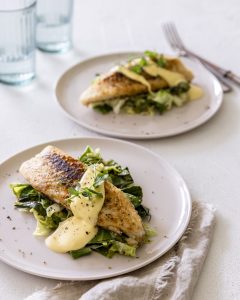
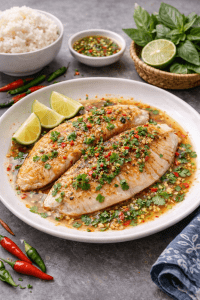
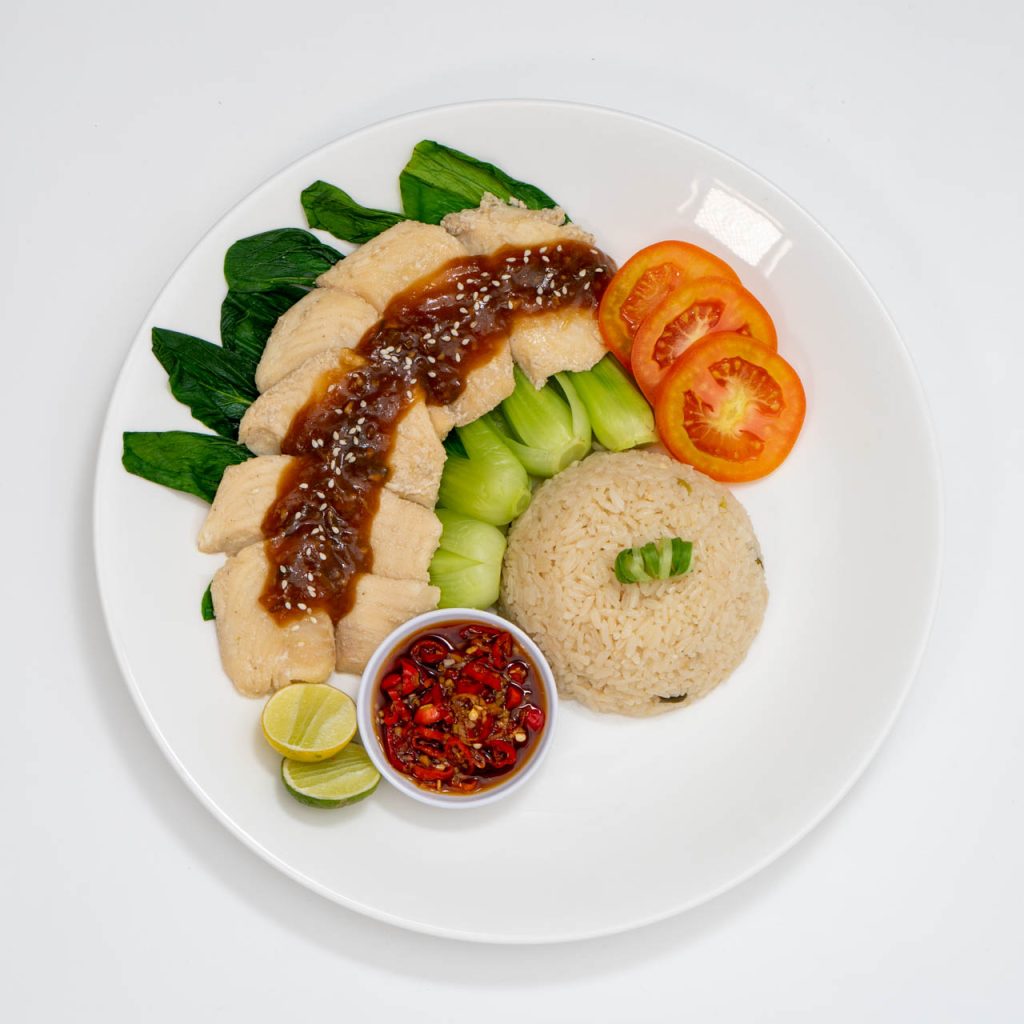
Tilapia can be prepared into various practical meals perfect for the office. Here are a few ideas:
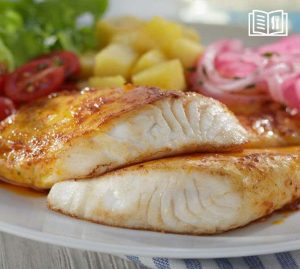
- Grilled Tilapia with Brown Rice: Simply seasoned grilled tilapia paired with brown rice and vegetables. This provides a perfect balance of protein, carbs, and fiber.
- Garlic Stir-Fried Tilapia: Tilapia chunks lightly sautéed with garlic and ginger—simple, yet delicious.
- Tilapia Veggie Bowl: Grilled tilapia as a topping for a bowl filled with fresh vegetables and complex carbs like quinoa or brown rice.
- Clear Tilapia Soup: For those who prefer an even lighter lunch, a clear tilapia soup with vegetables is a refreshing choice.
Tips for a Productive Lunch Break
In addition to choosing the right ingredients, simple habits can help maintain your energy:
- Avoid oversized portions during lunch.
- Increase vegetable intake as a source of fiber.
- Choose cooking methods that are not overly oily (steaming, grilling, or light sautéing).
- Stay hydrated by drinking plenty of water.
Back to Productivity After Eid
Returning to work after a long holiday requires an adjustment period. One of the simplest ways to help the body regain its energy is by being mindful of daily food choices.
A lunch featuring Regal Springs Indonesia Tilapia—high in protein and low in fat—is a lighter, more nutritious option for workers returning to their WFO routines. With the right lunch menu, energy levels stay stable, drowsiness is minimized, and work becomes more comfortable and efficient.