On our journey to a healthier lifestyle, we often focus on healthy foods and the nutrients our bodies need. However, we often forget that an equally important first step is to avoid foods that can have a negative impact on our health. There are a number of foods that should be avoided or consumed in limited quantities because of their high content of saturated fat, added sugar, preservatives, and high processing.
Highly processed food or ultra-processed food is food that undergoes a lot of processing in its production, often involving the use of additional ingredients such as preservatives, colorings, flavor enhancers, as well as processes such as frying, high heating, or intensive chemical processing.
Why are high-processing foods dangerous?
Let’s take an example of high-processed food, namely canned food. There are many types of canned food that we need to avoid. Some reasons we need to pay attention to include:
1. High Salt and Sugar Content
Canned foods often contain high levels of salt (sodium) and sugar. That’s because salt and sugar act as natural preservatives that can extend the shelf life of food. If we consume high levels of sodium regularly it can increase the risk of high blood pressure, heart disease and stroke.
Canned foods, especially fruit and some types of sauce, can contain high levels of syrup or added sugar. Consuming too much sugar can trigger various health problems, including obesity, type 2 diabetes and heart disease.
2. Exposure to BPA (Bisphenol A)
BPA is a chemical used in making the inner lining of cans to prevent corrosion. Based on a review from the Ministry of Environment & Forestry’s B3 Directorate, consumers can be exposed to BPA from food through the release (migration) of BPA from polycarbonate plastic (including baby milk bottles) and cans coated with epoxy resin.3. The can lining in some canned fish products contains BPA which can disrupt hormones and potentially increase the risk of cancer and other health problems.
3. Saturated Fat Consumption Increases
Highly processed foods, or often referred to as highly processed foods, tend to contain high levels of saturated fat, sugar and salt. Saturated fats, in particular, are often added to processed foods because they enhance flavor and provide a tastier texture.
Examples of high-processing or ultra-processed foods include ready-to-eat meals, snacks, canned foods, instant foods, and other processed foods.
- Canned fish
- Ice cream
- Nuggets
- Pasta
- Sausages
- Sauces
- Flavored yogurt, and more
Switch to healthier foods
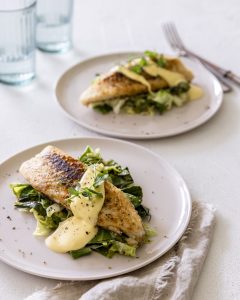
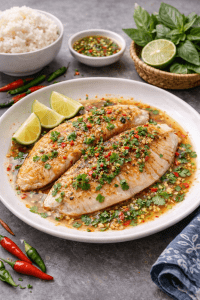
You can switch to healthier foods, such as consuming Regal Springs Tilapia fish fillets which are processed naturally without any additional ingredients. Cultivated in Lake Toba – a natural freshwater lake that is rich in oxygen, antibiotic free, chemical free, high in protein and definitely healthy for consumption. So what you eat is real, fresh fish without going through high processing methods.
Through cage farming methods, Tilapia fish are ensured not to consume algae or mud that can compromise taste, resulting in premium, white, layered, and delicious meat. This sets Tilapia Regal Springs apart from others. Check the product and its nutrition here.
The nutrients contained in Tilapia fish can certainly maintain health if we consume it regularly. You can make Tilapia fish the right and healthy choice for breakfast, main menu, snack or diet menu. Healthy, because Tilapia fish is high in lean protein, but low in calories and carbohydrates.
Let’s switch to a healthier lifestyle by consuming high-protein foods!