What is Dietary Fiber?
Dietary fiber is a component of plant foods that cannot be digested by the human body, but is very beneficial for digestive health and metabolism. There are two types of fiber: water-soluble and water-insoluble fiber. Both play an important role in maintaining body function, especially during pregnancy and breastfeeding.
According to the Harvard T.H. Chan School of Public Health, fiber consumption can help reduce the risk of chronic disease, improve gut health, and support the immune system. In the context of pregnant and breastfeeding mothers, fiber has additional benefits that are very specific and crucial.
1. Helps Overcome Constipation in Pregnant Women
Constipation is a common complaint during pregnancy due to hormonal changes and pressure from the enlarging uterus on the digestive tract.
Quoting the American Pregnancy Association, dietary fiber helps soften stool and increase bowel movements, thus preventing constipation and discomfort in pregnant women.
2. Stabilizes Blood Sugar Levels
During pregnancy, the body is more susceptible to fluctuations in blood sugar levels that can lead to gestational diabetes. Fiber, especially soluble fiber, helps slow the absorption of glucose in the intestines.
According to a study in the Journal of Clinical & Translational Endocrinology (2016), a high-fiber diet has been shown to reduce the risk of gestational diabetes and improve glucose control in pregnant women.
3. Increases Satiety and Maintains Ideal Body Weight
Fiber intake also contributes to appetite control. High-fiber foods provide a feeling of fullness for longer, thus helping pregnant and lactating mothers maintain ideal body weight.
A study from Nutrition Reviews states that a high-fiber diet has been shown to be effective in long-term weight management, including in the postpartum period.
4. Supports the Immune System and Baby’s Health
Dietary fiber also plays a role in maintaining the balance of gut microbiota, which greatly influences the immune system.
Referring to the British Journal of Nutrition, fiber encourages the production of short-chain fatty acids (SCFA) in the colon, which have anti-inflammatory effects and strengthen immune protection—beneficial for breastfeeding mothers and the development of the baby’s immune system.
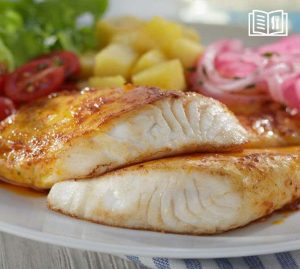
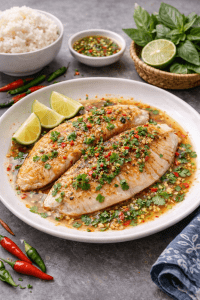
5. Tilapia Fish: A Source of Low-Fat Protein and Rich in Fiber
In addition to vegetables and fruits, dietary fiber can also be obtained from healthy protein sources such as tilapia fish.
Tilapia produced by Regal Springs Indonesia contains 5 grams of dietary fiber per 100 grams of serving size, or equivalent to 16% of the daily Recommended Dietary Allowance (RDA) for fiber. Tilapia is also low in saturated fat and high in protein, making it an ideal choice for fulfilling balanced nutrition for pregnant and lactating mothers.
Let’s Maintain Dietary Fiber for Pregnant and Breastfeeding Mothers!
Fulfilling dietary fiber needs during pregnancy and breastfeeding is very important to support maternal health and infant growth and development. The benefits range from overcoming constipation, regulating blood sugar, maintaining weight, to strengthening the immune system.
Sources of fiber do not always come from vegetables or grains—Regal Springs Indonesia tilapia is a healthy and practical alternative, with fiber and protein content that supports overall family nutrition.