When choosing fish to consume, most people focus on taste, price, or nutritional value. However, behind those factors lies an important but often overlooked indicator FFDR, or Fish Feed Dependency Ratio.
This term is one of the main benchmarks of sustainability in the modern aquaculture industry. So, what exactly is FFDR, and why is it important for us to understand as conscious consumers?
What Is FFDR?
FFDR (Fish Feed Dependency Ratio) measures how dependent fish farming is on feed ingredients sourced from wild-caught fish in the ocean, such as fishmeal and fish oil.
In simple terms, FFDR indicates how many kilograms of wild fish must be caught to produce one kilogram of farmed fish.
- If FFDR = 1, it means 1 kg of wild fish is required to produce 1 kg of farmed fish.
- If FFDR < 1, it means the farming system is more efficient and environmentally friendly.
The lower the FFDR value, the smaller the impact aquaculture has on marine ecosystems.
Why Is FFDR Important?
FFDR serves as one of the key indicators in assessing the sustainability of aquaculture practices. Here’s why it matters:
1. Reflects the Impact on Marine Resources
A high FFDR indicates that the fish farming operation still heavily depends on wild-caught fish for feed, which can deplete wild fish populations.
Conversely, a low FFDR signifies a more efficient and eco-friendly farming system.
2. Demonstrates Production Efficiency
Fish with a low FFDR can grow well using plant-based feeds such as soy, corn, or wheat rather than feeds derived from marine animals.
3. A Global Sustainability Standard
Organizations such as the FAO (Food and Agriculture Organization) and certification bodies like the ASC (Aquaculture Stewardship Council) use FFDR as a key indicator to evaluate responsible aquaculture practices.
4. Encourages Eco-Friendly Consumption
For consumers, choosing fish with a low FFDR means contributing to ocean sustainability and supporting greener food production systems.
Tilapia: The Low-FFDR, Eco-Friendly Fish
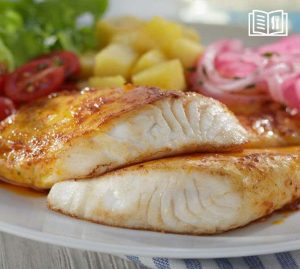
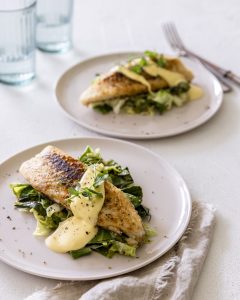
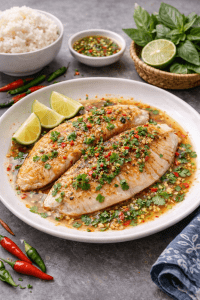
One of the best examples of a fish with a very low FFDR is tilapia.
Tilapia has an FFDR of only about 0.01 – 0.1, meaning just around 1% of its feed comes from marine sources while the rest is derived from plant-based ingredients such as soy, corn, and wheat.
This makes tilapia one of the most efficient and sustainable farmed fish species in the world. Moreover, tilapia is also known for its low carbon footprint, high protein content, low fat, and affordable price, making it an ideal choice for modern consumers who care about health and the environment.
Regal Springs Indonesia: A True Example of Sustainable Aquaculture
As Indonesia’s largest producer of premium tilapia, Regal Springs Indonesia has long implemented sustainable aquaculture practices with a low FFDR.
Through a zero-waste approach, lake ecosystem protection, and international certifications such as HACCP and BAP, Regal Springs ensures that every tilapia produced is not only of premium quality but also environmentally responsible.
Be a Smart Consumer Understand FFDR
Now we know that choosing fish is not just about taste or price it’s also about sustainability.
By understanding the concept of FFDR, we can support a healthier and more responsible food system for our planet.
Tilapia with a low FFDR is proven to be the ideal choice: healthy, efficient, and eco-friendly.
So let’s start today — choose, consume, and take pride in Indonesian tilapia!