Concerns about the environmental impact of fish farming often arise within the community. However, when aquaculture practices are carried out with high standards and sustainability principles, tilapia farming can operate in harmony with ecosystem preservation and the well-being of surrounding communities.
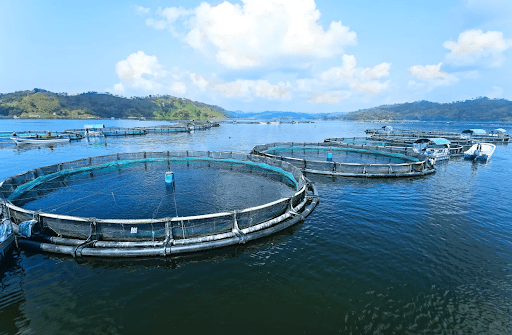
One real example is the tilapia farming practices carried out by Regal Springs Indonesia in the Lake Toba region and its surrounding areas. The company has implemented a responsible aquaculture approach, both environmentally and socially, including tangible Corporate Social Responsibility (CSR) programs throughout 2025 that have directly benefited local communities.
Below are several facts and explanations that demonstrate why modern tilapia farming maintains better nutritional quality and product consistency while also protecting the environment.
1. Proven and Measurable Environmental Commitment
Regal Springs Indonesia has operated for more than 30 years in the Lake Toba and Serdang Bedagai regions with a strong commitment to protecting the surrounding environment. The company routinely monitors water quality and waste management to ensure that farming activities do not pollute natural aquatic ecosystems. This monitoring is conducted in collaboration with government agencies and authorized institutions, following applicable standards.
Additionally, the company adopts international sustainability frameworks and complies with various global certifications, including Aquaculture Stewardship Council (ASC) standards and best aquaculture practices audited by third parties.
Through these certifications, Regal Springs Indonesia demonstrates its commitment to responsible farming practices, including environmental protection, fish welfare, and product quality.
2. Farming in Natural Waters That Maintain Fish Quality
Tilapia farmed by Regal Springs grow in natural waters such as Lake Toba, where water quality is well maintained. This method not only preserves high-quality fish meat but also ensures that fish grow in conditions closer to their natural habitat.
Such controlled farming systems help maintain the nutritional balance of fish, including protein and omega-3 fatty acids, while minimizing the need for chemicals or antibiotics that could negatively affect the environment and consumer health.
3. Waste Management Practices Supporting Circular Economy
One of the main challenges in fish farming is waste management. In practice, Regal Springs Indonesia implements responsible waste management systems to prevent water pollution. Organic waste generated from fish farming is reused, for example, as organic fertilizer.
This approach aligns with the circular economy concept, which maximizes resource utilization without allowing waste to contaminate the surrounding environment—an important step in preserving the quality of Lake Toba and nearby areas.
4. Contribution to Nutritional Quality and Food Security
Modern tilapia farming benefits not only the environment but also supports national food security by providing high-quality protein sources. Tilapia is a freshwater fish rich in protein and essential nutrients, making it suitable for Indonesian family diets.
With modern and sustainable farming methods, its nutritional content remains consistently maintained, ensuring that consumers receive healthy, safe, and nutrient-rich fish every time it is consumed.
5. Social Impact and Community Welfare
Responsible tilapia farming also creates positive social impacts. Through the sustainability pillars of People, Planet, and Product, Regal Springs Indonesia builds partnerships with surrounding communities.
These programs include:
- Improving community nutrition and health
- Supporting education and local infrastructure
- Economic development through employment in the fisheries sector
- Skills training and community empowerment programs
CSR program data throughout 2025 shows significant achievements such as:
- More than 18 CSR programs and events
- More than 15,000 beneficiaries
- More than 11,000 food assistance packages distributed
- More than 3,000 students participating in the Gemarikan program
- Planting 600 trees across 2 hectares of land
This demonstrates that sustainably managed tilapia farming contributes far beyond fish production; it also strengthens local communities and environmental sustainability in the Lake Toba region.
6. Transparency and Continuous Collaboration
Regal Springs Indonesia continues to strengthen its sustainability practices by listening to input from communities, government, and other stakeholders. The company not only complies with national regulations but also develops research and educational collaborations to improve aquaculture standards in the future.
Regal Springs Indonesia Helps Preserve Lake Toba
It is important to consider scientific evidence and real practices implemented in the field. Modern tilapia farming, when managed with high standards, transparency, and responsibility, can:
- Maintain environmental quality and the Lake Toba ecosystem
- Provide high-quality and nutritious fish
- Empower local communities through social and CSR programs
- Serve as a real example that the aquaculture industry can operate in harmony with environmental conservation