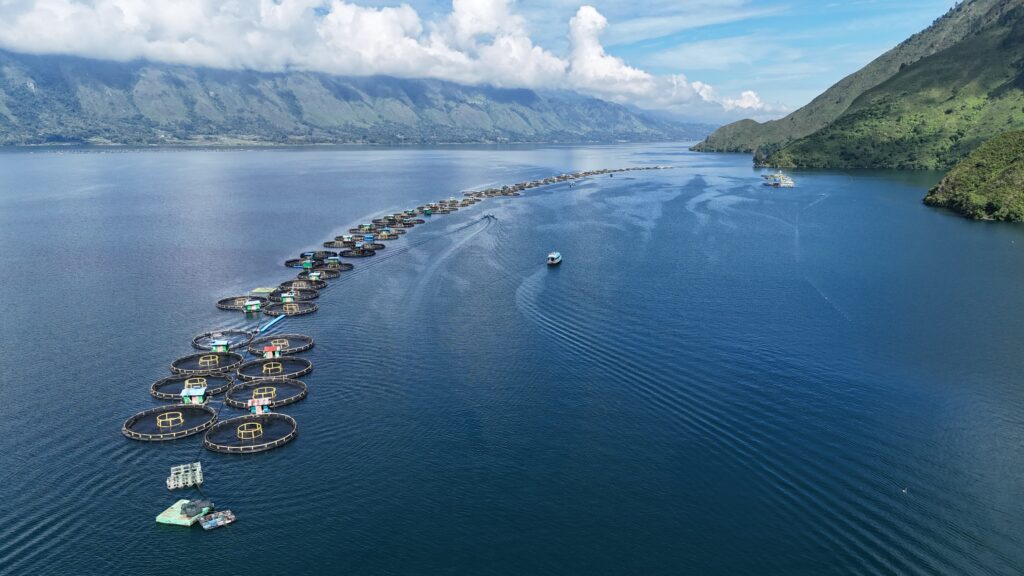
When purchasing fish, many consumers focus on physical appearance, price, or taste. However, one important aspect is often overlooked: the fish production process from farming to the dining table. This process determines whether the fish consumed is truly safe, nutritious, and high quality.
Understanding the journey of fish from lake to plate helps consumers make smarter choices—not only for personal health but also for the environment and surrounding communities.
The Production Process Determines Food Safety
Fish safety does not begin in the kitchen but starts at the farming stage. Water quality, feed, fish density, and post-harvest handling methods all play major roles in determining whether fish are free from harmful contaminants.
Fish produced through controlled systems have lower risks of exposure to heavy metals, bacteria, or unwanted residues. In contrast, fish originating from unclear or poorly managed production processes may pose health risks to consumers.
Therefore, transparent production processes are the primary foundation of food safety.
The Influence of Production Processes on Nutritional Content
The nutritional value of fish is greatly influenced by how the fish are raised. Properly formulated feed helps maintain stable levels of protein, amino acids, and other essential nutrients.
In well-managed production processes, fish grow under optimal conditions with lower stress levels. This condition directly affects meat quality, texture, and nutritional value. As a result, consumers receive fish with more consistent nutritional quality over time.
Post-Harvest Handling Maintains Quality Until It Reaches Consumers
After fish are harvested, the next stages are equally important. Rapid cooling, hygienic processing, and properly maintained cold distribution chains help prevent quality deterioration.
Mistakes during post-harvest handling can cause fish to lose freshness, undergo texture changes, or even become unsafe for consumption. Therefore, producers committed to quality ensure that each stage follows food safety standards.
Certification as a Guarantee of Responsible Production Processes
For consumers, it is not easy to directly assess fish production processes. This is where certification becomes important. Certifications such as ASC, BAP, FDA, GMP, and Halal evaluate the entire production chain, from farming and processing to distribution.
Most importantly, these certifications are conducted through independent third-party audits. This means that quality and sustainability claims do not come solely from producers but have been objectively verified by professional institutions.
The Impact of Production Processes on the Environment and Communities
Responsible fish production processes protect not only consumers but also the environment and surrounding communities. Properly managed aquaculture helps maintain water quality, reduce waste, and minimize impacts on natural ecosystems.
In addition, sustainable production processes create job opportunities, support local economies, and encourage social programs such as education, healthcare, and food security.
Regal Springs Indonesia applies an integrated production approach from upstream to downstream, ensuring that the tilapia produced is not only high quality for consumers but also provides positive impacts for the environment and surrounding communities.
Why Consumers Should Care
For consumers, choosing fish with transparent production processes means:
- Reducing health risks
- Obtaining fish with better-preserved nutritional value
- Supporting environmentally friendly aquaculture practices
- Contributing to the welfare of local communities
Choices made at the dining table can have a much broader impact than many people realize.
Choose Fish Products Wisely
Fish production is a long journey that determines the final quality on consumers’ plates. From the lake where the fish are raised to the way they are processed and distributed, every stage plays an important role in maintaining safety, nutrition, and sustainability.
By understanding and caring about production processes, consumers are not only choosing delicious fish but also supporting a healthier, more responsible, and sustainable food system, such as tilapia from Regal Springs Indonesia.