
Tilapia is known as a versatile fish that is easy to prepare. However, many people complain that cooked tilapia often turns out dry or lacks juiciness. In professional kitchens, however, tilapia is frequently prepared into dishes that are tender, moist, and flavorful.
The difference lies in technique. Professional chefs have a specific approach to handling white-fleshed fish like tilapia, from selecting ingredients to cooking methods.
Fish Quality Determines the Final Result
According to professional chefs, the quality of raw ingredients is the main foundation of good cooking. Fresh fish raised under controlled farming standards tends to have better meat structure and is easier to process.
High-quality tilapia has firm flesh, bright color, is not slimy, and does not have a strong fishy odor. In professional kitchen practice, fish with these qualities requires simpler handling because its natural characteristics are already optimal.
Simple Preparation, Avoid Overhandling
One common mistake when preparing tilapia is excessive handling during the initial preparation stage. Professional chefs emphasize that white-fleshed fish does not need to be soaked for too long in water or seasoning, especially acidic marinades.
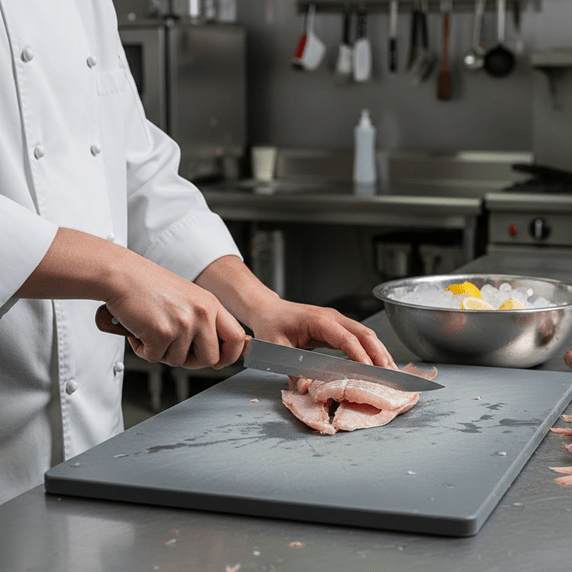
Tilapia only needs to be cleaned quickly, dried using paper towels, and lightly seasoned. A small amount of salt and a little fat such as oil or butter helps maintain the moisture of the flesh during cooking.
This approach helps preserve the fish’s protein structure so it is not damaged before being exposed to heat.
Temperature and Timing Are the Main Keys
Tilapia is a fish that cooks quickly. Therefore, temperature and cooking time are the most crucial factors in producing a tender and juicy texture.
In professional kitchens, white-fleshed fish is cooked over medium to high heat for a short time. If cooked too long, the natural moisture inside the flesh will escape, causing the fish to become dry.
As a practical guideline, tilapia fillets generally only need to be cooked for two to three minutes per side, depending on thickness, until the flesh turns white and flakes easily.
Professional Chefs’ Favorite Cooking Techniques
To maintain tilapia’s tenderness, professional chefs tend to choose cooking techniques that preserve the fish’s natural moisture.
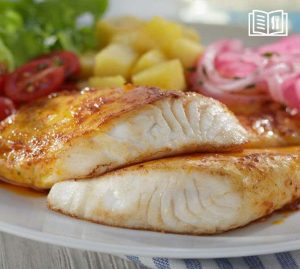
Pan-searing is often used because it creates a perfectly cooked outer surface without drying out the inside. The key is using a properly heated pan, an adequate amount of oil, and avoiding flipping the fish too frequently.
Steaming is also a favorite method, especially to highlight the fish’s natural flavor. This technique allows tilapia to cook evenly while producing a very tender and juicy texture without excessive added fat.
Tilapia can also be baked at moderate temperatures, especially when partially wrapped so that steam helps retain the moisture of the flesh.
Finishing Touches Make the Difference
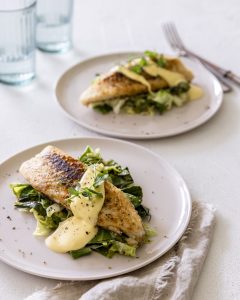
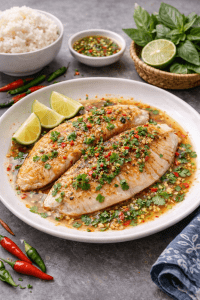
Professional chefs do not overpower tilapia’s natural flavor with strong seasonings. Simple finishing touches are often more effective, such as a squeeze of citrus, light sauce, or fresh herb garnish.
One important technique frequently applied is resting time. After removing the fish from heat, tilapia should be left to rest for one to two minutes before serving. This process helps the natural juices redistribute within the flesh, making it juicier when eaten.
Enjoy High-Quality Tilapia Fillets Easily
You do not need to be a professional chef to produce tender and juicy tilapia dishes. By choosing high-quality tilapia fillets from Regal Springs Indonesia, anyone can cook fish with consistent and delicious results.
Tilapia fillets from Regal Springs Indonesia are processed under high standards, are clean, and maintain their quality, making home cooking easier. The good meat texture and natural fish flavor help produce optimal dishes, even with simple cooking techniques.
Start with the right ingredients. Choose tilapia fillets from Regal Springs Indonesia for a more practical cooking experience and higher-quality results every day.