There is still a common assumption that wild-caught fish are always superior to farmed fish. In fact, advancements in modern aquaculture technology have made farmed fish such as tilapia more consistent in nutritional quality and food safety, with better control throughout the production process.
Various scientific studies show that tilapia produced through modern aquaculture systems can better maintain nutritional content, meat quality, and consumption safety. The following explanation is based on scientific approaches and current aquaculture practices.
Modern Farming Uses Controlled Environments
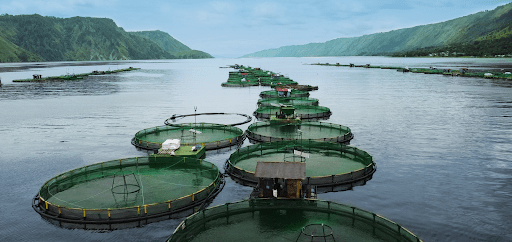
Modern farmed tilapia are raised in controlled systems, including water quality, feed management, fish density, and environmental health. This level of control allows fish to grow under optimal and stable conditions.
According to research published in the Journal of Aquaculture Research and Development, modern aquaculture systems enable consistent environmental parameter management, allowing fish to experience lower stress levels and develop better meat quality compared to fish living in uncontrolled environments.
Lower stress levels play an important role in maintaining meat texture, moisture content, and nutritional stability in fish.
More Consistent and Measurable Nutritional Content
One of the main advantages of modern farmed tilapia is the consistency of its nutritional content. Fish feed is scientifically formulated to meet nutritional requirements, including protein, essential amino acids, and important minerals.
Based on studies published in the Journal of Food Composition and Analysis by Elsevier, modern farmed tilapia demonstrates a stable protein profile and predictable nutritional content. This is important for consumers because the nutritional value of the fish does not vary significantly between products.
Such consistency is difficult to achieve with wild-caught fish, which are heavily influenced by seasons, locations, and the availability of natural food sources.
Better Food Safety Assurance
Food safety is a crucial aspect of fish consumption. Modern farmed tilapia is managed under strict monitoring systems to minimize the risk of heavy metal contamination, pathogens, and harmful residues.
Research in Environmental Toxicology and Chemistry, published by Wiley on behalf of the Society of Environmental Toxicology and Chemistry, explains that controlled freshwater farmed fish tend to have lower levels of heavy metal accumulation compared to fish living in polluted open waters.
This makes modern farmed tilapia safer for routine consumption across various age groups.
Standards and Certifications Provide Additional Assurance
Modern farmed tilapia is generally produced by companies that implement international standards and hold official certifications. Certifications such as ASC, BAP, and GMP evaluate the entire production chain, including farming, feed, and processing.
Most importantly, these certifications are audited by independent third parties, ensuring objective and accountable assessments. With periodic audits, fish quality and safety are continuously monitored and improved.
Regal Springs Indonesia is an example of a tilapia producer that applies modern aquaculture systems supported by various internationally recognized certifications audited by third parties. This approach ensures that the tilapia produced maintains high nutritional quality and safety for consumers.
Positive Impact on Meat Quality and Taste
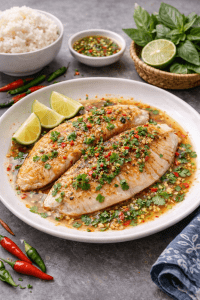
In addition to nutrition and safety, modern aquaculture also improves the sensory quality of fish. Tilapia meat becomes more uniform, has a tender texture, and offers a clean taste without unwanted odors.
According to scientific reviews in the Journal of Aquatic Food Product Technology, controlling feed and farming environments plays a significant role in producing fish with better and more stable meat quality, making it easier to process in the kitchen.
Modern Aquaculture as a Solution
Modern farmed tilapia is not just an alternative but a solution for providing fish with preserved nutrition, consistent quality, and higher food safety. Various scientific journals demonstrate that controlled farming systems help maintain nutrients, reduce contamination risks, and produce better meat quality.
By choosing tilapia from producers that implement modern aquaculture practices and hold third-party audited certifications, such as Regal Springs Indonesia, consumers can enjoy fish that is not only delicious but also safe and highly nutritious.