

Many people assume that the body’s only source of energy comes from carbohydrates. In reality, the body has an extraordinary mechanism that allows it to continue producing energy even when carbohydrate intake is limited—such as during fasting. This process is known as gluconeogenesis.
Understanding this process helps us make wiser nutritional choices during Ramadan.
What Is Gluconeogenesis?
Gluconeogenesis is the process of forming new glucose in the body from sources other than carbohydrates. This process primarily occurs in the liver, and to a lesser extent in the kidneys.
When glycogen stores (the body’s stored sugar) begin to run low due to a lack of food intake, the body does not immediately “run out of energy.” Instead, it starts producing glucose from:
- Amino acids (derived from protein)
- Lactate (a byproduct of muscle metabolism)
- Glycerol (a component of fat)
Through this mechanism, blood sugar levels remain stable, ensuring that vital organs such as the brain continue to receive an adequate energy supply.
What Does This Have to Do with Fasting?
During fasting, the body goes through several stages of energy use:
- Using glycogen stored in the liver
- Beginning to burn fat as an energy source
- Activating gluconeogenesis to maintain blood sugar levels
This is why adequate protein intake at suhoor and iftar is important. If protein intake is insufficient, the body may break down muscle tissue to obtain the amino acids needed for gluconeogenesis. Over time, this can reduce muscle mass.
Maintaining nutritional balance during Ramadan is therefore essential.
The Role of Protein in Energy Production
Protein serves as one of the raw materials in gluconeogenesis. Ideally, the protein used in this process should come from food—not from the body’s own muscle tissue.
Benefits of adequate protein intake during fasting include:
- Helping maintain muscle mass
- Supporting gradual energy production
- Providing longer-lasting satiety
- Aiding recovery after daily activities
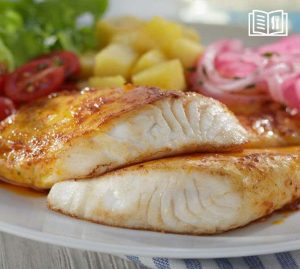
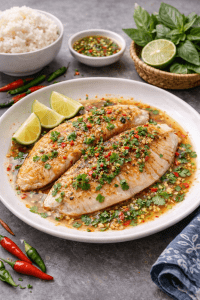
Easily digestible protein sources such as fish can be an excellent choice. Fish contains high-quality protein and is generally lighter on the digestive system compared to high-fat protein sources.
Tilapia, for example, has a tender texture and mild flavor, making it suitable for both suhoor and iftar meals. Products from Regal Springs Indonesia are produced according to international food safety standards and meet HACCP certification requirements, ensuring quality from farm to table.
Does This Mean We Don’t Need Carbohydrates?
Gluconeogenesis shows that the body has an intelligent adaptive system. However, this does not mean we should completely avoid carbohydrates.
Complex carbohydrates are still needed to help maintain stable energy levels. The key is balance—between carbohydrates, protein, healthy fats, vitamins, and minerals.
Making Ramadan Healthier
Ramadan is an ideal time to better understand how the body works and improve eating habits. By ensuring adequate protein intake and maintaining balanced nutrition, the body can carry out processes like gluconeogenesis optimally without sacrificing muscle mass.
The human body is designed with remarkable systems. Our role is to support it with proper nutrition—so fasting remains comfortable, energizing, and beneficial for overall health.