

After a full day of fasting, the body naturally experiences a drop in blood sugar levels. As a result, the craving for sweet foods at iftar can feel very strong. However, breaking your fast with excessive sugar can cause a sharp blood sugar spike, followed by fatigue and drowsiness.
To keep the body stable and comfortable, it is important to implement the right iftar strategy.
Why Should Blood Sugar Spikes Be Avoided?
When consuming large amounts of high-sugar foods or drinks, blood glucose levels rise rapidly. The body then releases a large amount of insulin to lower it.
As a result:
- Energy rises quickly, then drops drastically
- The body feels weak after eating
- Hunger returns more quickly
- The risk of fat storage increases
For this reason, a balanced iftar pattern is strongly recommended over excessive sugar consumption.
A More Balanced Iftar Strategy
Here are some simple steps to help prevent blood sugar spikes when breaking your fast:
Start with Water
Water helps rehydrate the body without triggering an increase in blood sugar.
Consume Dates in Moderation
Dates contain natural sugars, but 1–3 pieces are sufficient to avoid overconsumption.
Avoid Excessively Sugary Drinks
Limit syrup-based drinks, sweet tea, or other high-sugar beverages.
Choose a Balanced Meal Combination
Make sure your plate includes complex carbohydrates, protein, healthy fats, and fiber.
Eat Gradually
Allow a short pause between light snacks and your main meal so the body can adapt gradually.
The Role of Protein in Stabilizing Blood Sugar
Protein helps slow down the absorption of sugar into the bloodstream. When combined with complex carbohydrates and fiber, blood sugar spikes can be minimized.
Benefits of protein at iftar include:
- Promotes longer-lasting fullness
- Maintains more stable energy levels
- Reduces the tendency to overeat
- Supports post-fasting recovery
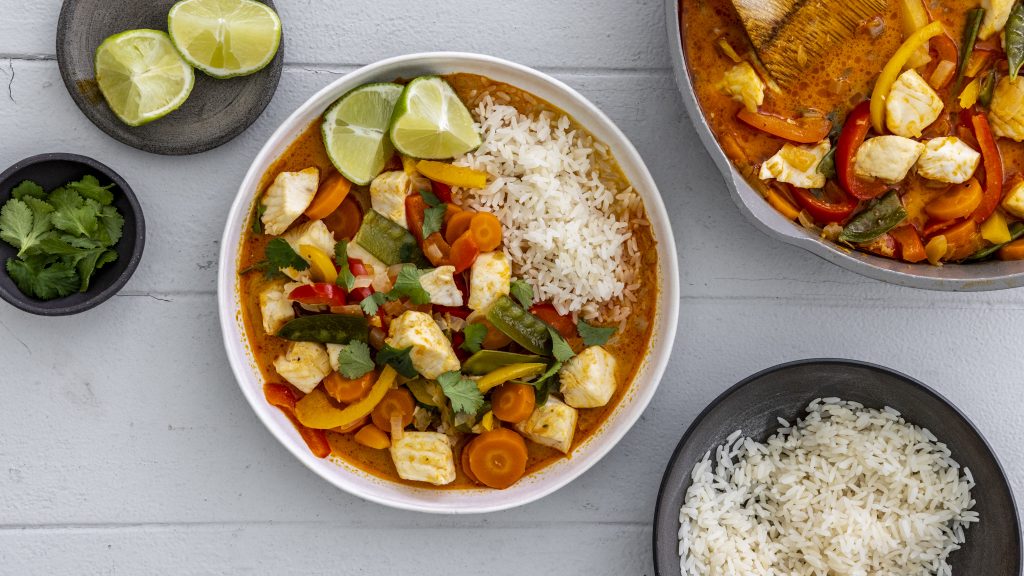
Light protein sources such as fish can be an ideal choice for iftar. Fish is easier to digest compared to high-fat meats while still providing high-quality protein.
Tilapia, for example, has a soft texture and neutral flavor, making it suitable for a variety of iftar dishes. Products from Regal Springs Indonesia are produced according to international food safety standards and have obtained HACCP certification, ensuring quality and safety.
Example of a More Stable Iftar Menu
For inspiration, here is an example of a meal combination that helps maintain stable blood sugar levels:
- Water and 1–2 dates
- Grilled tilapia with vegetables
- Brown rice or boiled potatoes
- Fresh or sautéed vegetables
With this composition, the body receives energy gradually without drastic spikes.
A Healthier and More Controlled Ramadan
Ramadan is the perfect time to build better eating habits. With the right iftar strategy, blood sugar levels can remain more controlled, energy stays stable, and the body feels more comfortable.
The key is not to completely avoid sweet foods, but to manage portions and balance them with protein and fiber. With this approach, fasting can be practiced in a healthier and more sustainable way.