

Ramadan is often seen as a great opportunity to lose weight. However, in reality, many people actually experience weight gain during fasting. The cause is not the fasting itself, but rather uncontrolled eating habits during suhoor and iftar.
With the right strategy, Ramadan can be an ideal time to maintain a stable weight while also improving the overall quality of your diet.
Why Can Weight Increase During Ramadan?
Even though the eating window is shorter, the following habits can trigger weight gain:
- Breaking the fast with high-sugar foods in excessive portions
- Consuming fried foods daily
- Eating large portions late at night
- Lack of protein and fiber intake
- Minimal physical activity
Spikes in blood sugar after iftar can also make the body more prone to storing fat if not balanced with proper nutrition.
Tips for Managing Your Diet During Ramadan
To keep your weight stable during Ramadan, here are some practical tips you can apply:
Start Iftar Moderately
Begin with water and a moderate portion of dates to restore energy. Avoid immediately eating large portions.
Prioritize Protein
Make sure there is a source of protein at every meal, both at suhoor and iftar. Protein helps you feel full longer and preserves muscle mass.
Choose Complex Carbohydrates
Replace excessive white rice with brown rice, potatoes, oatmeal, or other complex carbohydrate sources to maintain stable energy levels.
Limit Fried and Sugary Foods
Foods high in fat and sugar can easily increase calorie intake without you realizing it.
Increase Vegetable and Fruit Intake
Fiber supports digestion and helps you stay full longer.
Pay Attention to Hydration
Meet your fluid needs between iftar and suhoor to prevent dehydration, which is often mistaken for hunger.
The Role of Protein in Maintaining Weight
Protein has a higher thermic effect compared to carbohydrates and fats, meaning the body requires more energy to digest it. This helps keep metabolism active.
Additionally, protein helps to:
- Maintain muscle mass
- Reduce overeating tendencies
- Stabilize blood sugar levels
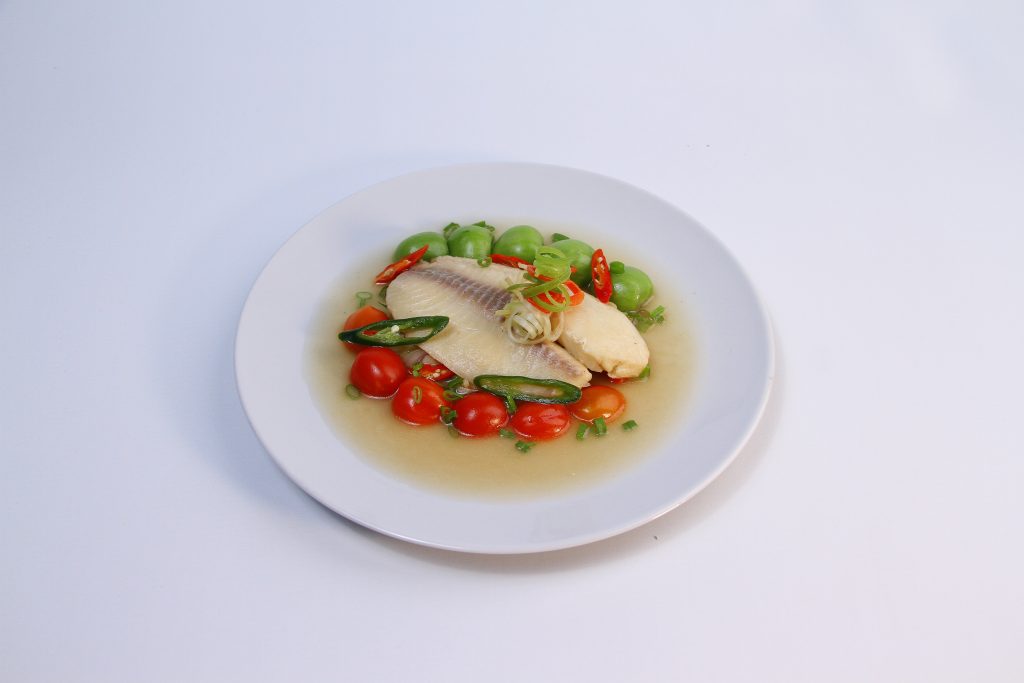
Lighter protein sources such as fish can be an excellent choice during Ramadan. Fish is generally easier to digest than red meat, making it comfortable to consume during both suhoor and iftar.
Tilapia, for example, has a soft texture and neutral flavor, making it easy to prepare into various healthy family meals. Products from Regal Springs Indonesia are produced according to international food safety standards and have obtained HACCP certification, ensuring quality and safety.
Ramadan as a Momentum for a Healthier Lifestyle
Ramadan is not only about refraining from food and drink, but also an opportunity to improve eating habits. With proper nutritional planning, your weight can remain stable and even become more controlled.
The key is balance, not extreme restriction. Choose nutritious foods, manage portions wisely, and make Ramadan the starting point toward a healthier and more sustainable lifestyle.