

The month of Ramadan is a special moment for Muslims to increase piety and spirituality. Behind this spiritual moment, maintaining body health during fasting is no less important to support our daily activities. One of them is that consuming the right food can make us full longer. Being in prime body condition will certainly help maximize the smoothness of worship.
Choosing the right food at dawn can help you delay hunger longer, here are several food criteria that can help you stay full longer when fasting.
1. High Fiber Foods
Foods that are high in fiber can keep you full longer because the fiber in food undergoes a slow digestion process. Foods high in fiber and low in starch tend to slow stomach emptying and prolong digestion time to the small intestine. That’s why fiber can delay satiety longer.
2. Foods High in Good Fats
Good fats refer to types of fat that are considered good for body health such as unsaturated fats, especially monounsaturated fats and polyunsaturated fats. These good fats play an important role in maintaining heart health, regulating cholesterol levels, and helping maintain optimal body function. This is what makes good fats able to keep us full longer.
3. High Protein Foods
Protein takes longer to be digested by the body than carbohydrates or fat, making the feeling of fullness last longer after eating. Apart from that, protein also helps maintain muscle mass and regulates hormones involved in appetite control, which is why protein also plays an important role in maintaining satiety. Quoted from the Journal of Nutrition College, based on the results of research conducted, it is stated that foods high in protein given at breakfast have a greater effect on increasing feelings of fullness compared to other meal times.
These criteria can be found in the following types of food:
1. Oat
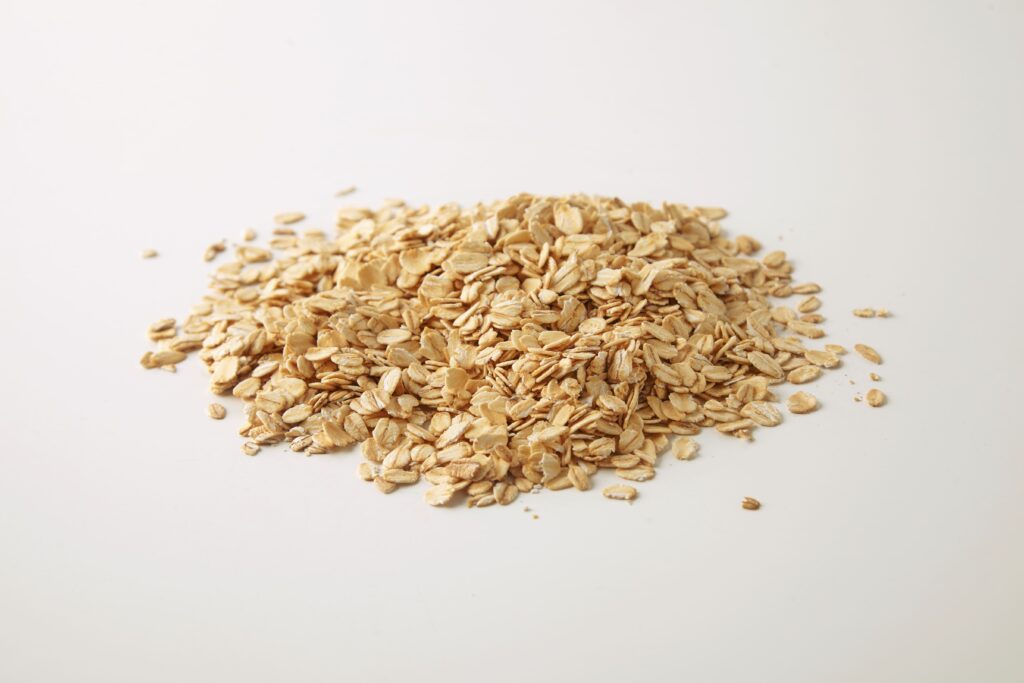
Why can oats keep you full longer? The answer is because oats are a food source that is rich in fiber. Oats (Oatmeal) are made from oats which are ground into coarse or fine grains. Well, one of the main components of oatmeal is soluble fiber called beta-glucan. The beta-glucan in oatmeal helps lower LDL cholesterol, protects the heart, regulates blood sugar, and increases feelings of fullness. Oatmeal also has other fibers, both soluble and insoluble, which are good for digestion and the intestines.
2. Nuts
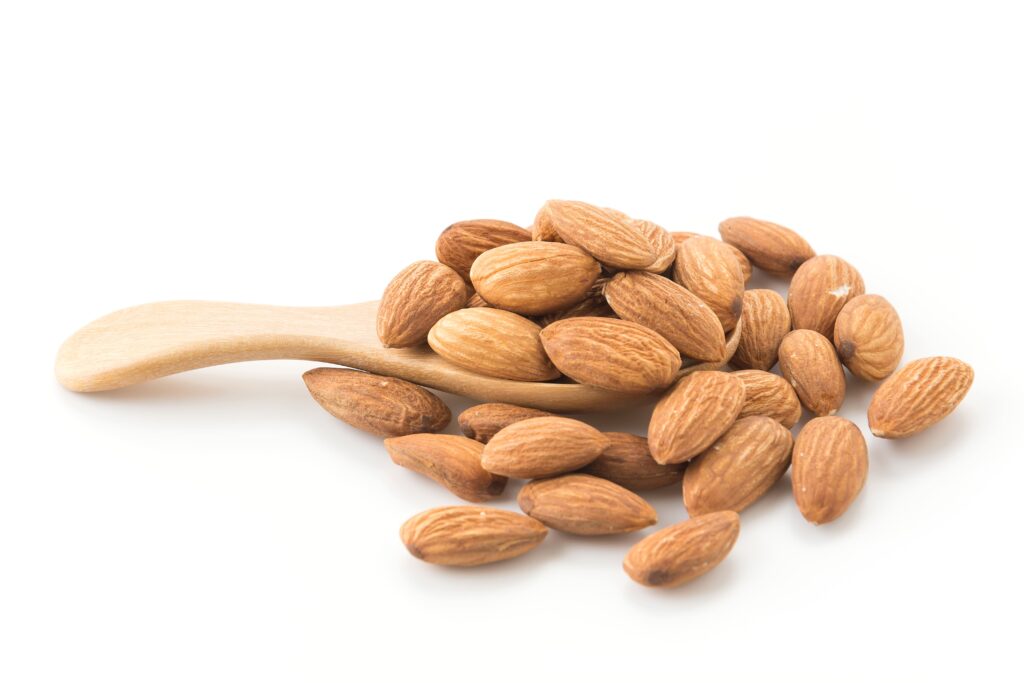
It is common knowledge that various types of nuts such as almonds, peas, lentils, and others contain nutrients that are important for health, including vitamins, protein, healthy fats, minerals and are also rich in fiber. Just like oats, nuts are good for maintaining intestinal health, helping improve digestion, regulating blood sugar, and providing a longer feeling of fullness.
3. Avocado
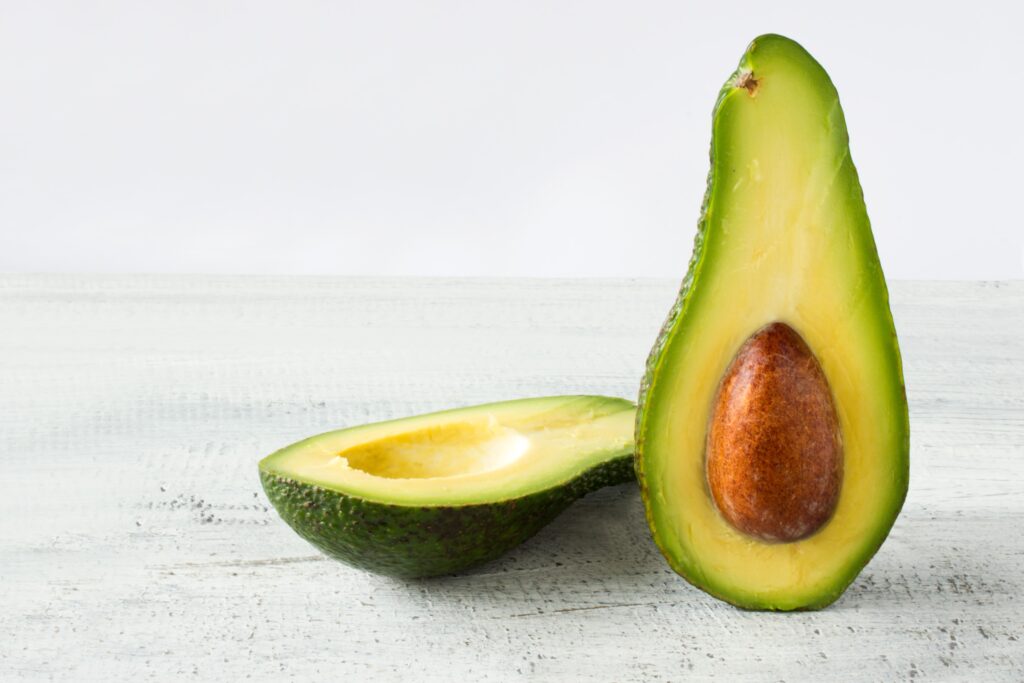
Referring to the first and second criteria, avocados are rich in healthy fats, namely monounsaturated fats, especially oleic acid and also fiber. The fiber in avocados contains both soluble and insoluble fiber. Although there are no specific standards, we know that one medium-sized avocado (around 200 grams) generally contains 9-10 grams of fiber. And quoted from the Ministry of Health, women aged 16 – 18 years need 29 grams per day, while men need 37 grams per day.
4. Egg
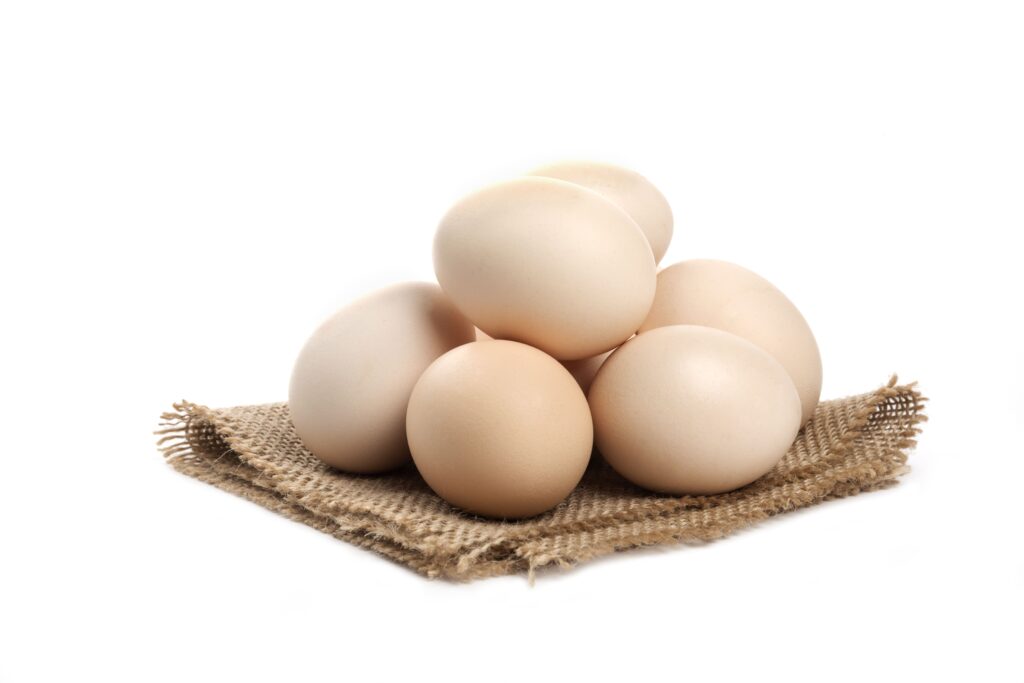
There is no need to doubt that the eggs we often consume contain quite a lot of protein, namely around 6 grams of protein in one egg. The white part of the egg, called albumen, is the main source of protein in eggs. Albumen contains very high quality protein, complete with all the essential amino acids the human body needs.
5. Fish

As with eggs, we all know that aquatic foods such as sea fish or freshwater fish contain high levels of protein. Fish have a high protein content due to various biological and nutritional factors related to their life in water. For example, one tilapia fish contains around 26 grams of protein, higher than salmon, check the facts here. That’s why the protein in tilapia fish can keep us full longer during fasting all day.
So, those are some food recommendations that can be used as a reference to stay full longer. Happy fasting!