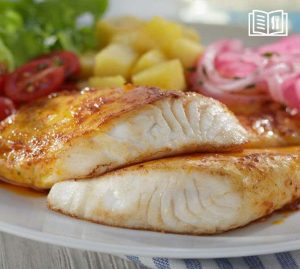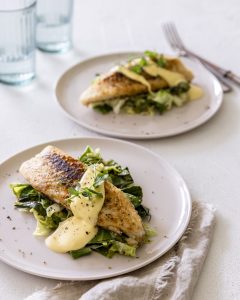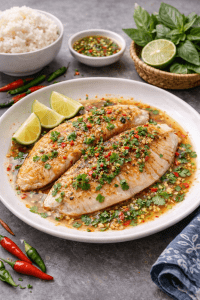

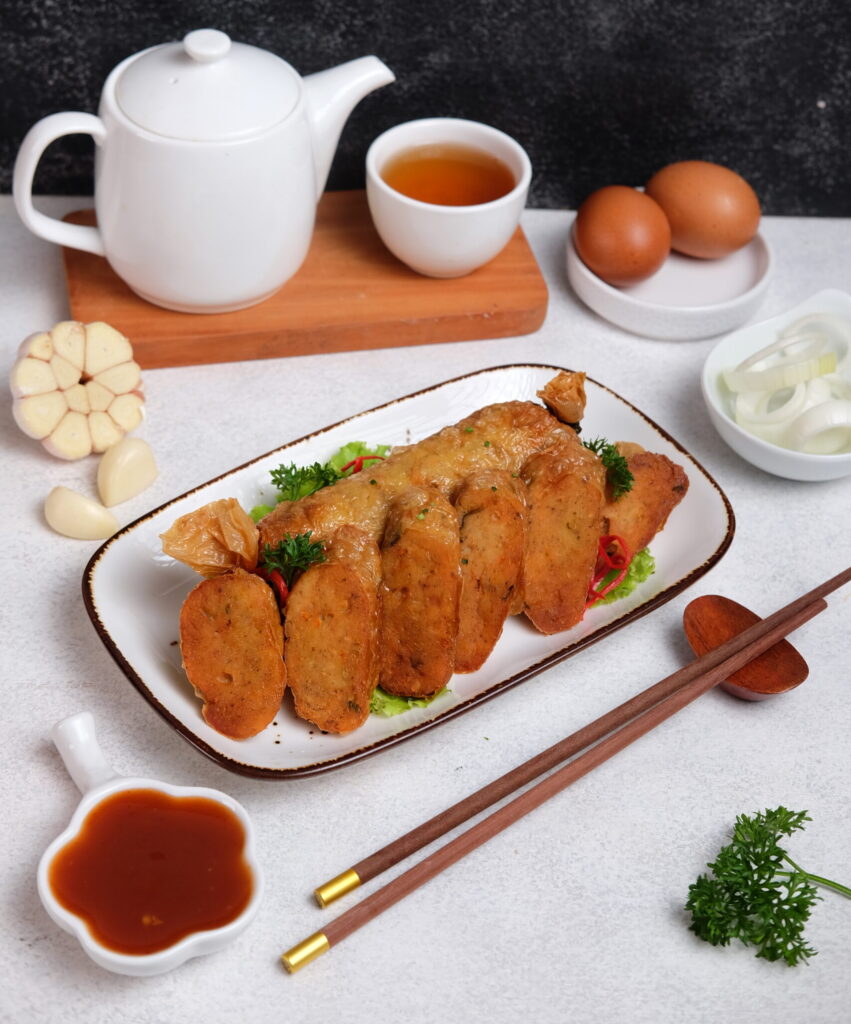
In the professional culinary world, selecting ingredients is not only about taste, but also about consistency, flexibility, and ease of preparation. For these reasons, many international chefs choose tilapia as one of the main fish options in cross-cultural menus.
From international hotel restaurants to modern fine dining kitchens, tilapia is known as a “clean” fish—easy to control and suitable for various culinary concepts.
A Neutral Flavor Preferred by International Chefs
Tilapia has a naturally neutral and mild taste. This characteristic allows chefs to highlight cooking techniques, sauces, and signature seasonings without having to “compete” with a strong fish flavor.
Several well-known international chefs have introduced tilapia-based dishes in culinary education settings, cooking demonstrations, and restaurant menus, particularly because the fish is easily accepted across different cultures and taste preferences.
For example, internationally renowned professional chef Gordon Ramsay, in various cooking classes and culinary demonstrations, often uses white-fleshed fish such as tilapia to showcase pan-searing techniques, temperature control, and fish texture management. Tilapia is chosen because of its neutral taste and quick cooking time, allowing cooking techniques to be demonstrated with precision.
Tender and Consistent Texture for Restaurant Standards
Professional chefs highly value ingredients that deliver consistent results. Tilapia has fine muscle fibers and a stable structure when cooked—whether grilled, steamed, or sautéed.
In international restaurant kitchens, this consistency is essential to ensure dish quality remains the same day after day. Well-farmed tilapia provides uniform texture and is easy for chefs to control during preparation.
Easily Adapted to Global Cuisines
Tilapia is widely used in:
- Asian cuisine, ranging from light to complex seasonings
- Mediterranean and European dishes with butter- or olive oil-based sauces
- Modern American cuisine emphasizing simple plating
- Healthy and wellness menus focusing on low-fat protein
Because of its universal character, tilapia often becomes a safe yet high-quality choice for international menus.
High Efficiency in Professional Kitchens
Tilapia is relatively easy to fillet, contains minimal small bones, and offers good meat yield. This makes it efficient for high-volume professional kitchens.
In addition, tilapia’s short cooking time helps chefs maintain fast kitchen workflow without compromising dish quality.
The Role of Farming in Tilapia Quality for Chefs
Although tilapia naturally has desirable characteristics, chefs still heavily depend on raw material quality. Tilapia from uncontrolled farming may have unpleasant odors or inconsistent texture.
Regal Springs Indonesia farms tilapia using an integrated system with international standards in Lake Toba. Water quality, feed, and farming environments are strictly maintained to produce tilapia with:
- a clean aroma without muddy smell
- tender and stable texture
- consistently neutral flavor
These characteristics meet the needs of professional kitchens and international menus.
Supporting Global Healthy Dining Trends
Many international chefs now adapt their menus to global health-focused trends. Tilapia is known as a high-quality protein source with relatively low fat content, making it suitable for menus that balance flavor and nutrition.
As a result, tilapia frequently appears in restaurant menus that promote healthy dining, modern cuisine, and family-friendly concepts.
Healthy Food with International Standards
Tilapia is chosen by many international chefs because of its combination of neutral taste, tender texture, high flexibility, and kitchen efficiency. When supported by controlled modern aquaculture, tilapia meets global culinary standards while maintaining its simplicity.
With consistent farming quality like that implemented by Regal Springs Indonesia, tilapia becomes a reliable ingredient for various international dishes—from professional kitchens to family dining tables.