
Tilapia is one of the most widely consumed freshwater fish in the world. From Asia to the Americas, tilapia appears in a variety of traditional dishes and is embraced by diverse culinary cultures. This popularity is no coincidence. Tilapia is known for its flexibility, ease of preparation, neutral taste, and consistent quality.
So why has tilapia become a favorite fish in so many countries? The answer lies in the combination of its natural characteristics and how different cultures prepare it.
Neutral Flavor Accepted Across Cultures
Tilapia has a mild, non-overpowering taste. This makes it easy to enjoy across cultures, including in communities that are not accustomed to strong-smelling fish.
Its neutral flavor also allows tilapia to blend seamlessly with Asian spices, European sauces, and bold Latin American seasonings without losing its texture or appeal.
United States: Grilled and Pan-Seared Tilapia
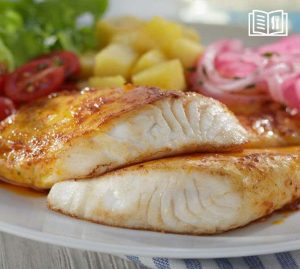
In the United States, tilapia is often served as a healthy menu option. Common preparations include grilled or pan-seared tilapia, typically served with lemon, butter, and vegetables.
This menu is popular in family restaurants and home kitchens because it is:
- Quick to cook
- Low in fat
- Suitable for a healthy lifestyle
Tilapia is also frequently used as an alternative to saltwater fish in modern diet-focused menus.
Mexico: Tilapia for Fish Tacos
In Mexico, tilapia is widely used as a filling for fish tacos. Its tender, mild flesh pairs well with tortillas, fresh cabbage, salsa, and lime sauce.
Tilapia is preferred because:
- Its texture holds together well
- It absorbs seasoning effectively
- It remains delicious whether fried or grilled
Tilapia fish tacos are popular from street food stalls to casual dining restaurants.
China: Steamed and Stir-Fried Tilapia
In China, tilapia is often prepared using steaming or quick stir-frying techniques. These methods highlight the fish’s freshness and preserve its tender texture.
Steamed tilapia is commonly served with ginger, scallions, and light soy sauce. The dish reflects Chinese culinary philosophy, which values the natural flavor of ingredients.
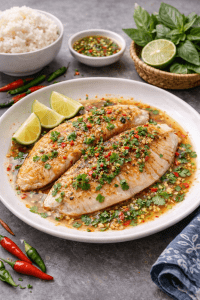
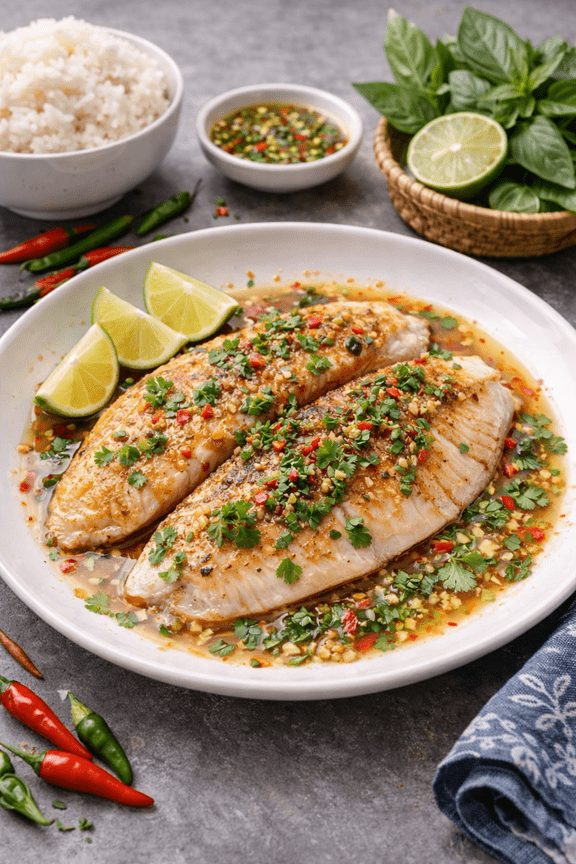
Indonesia: Fried, Grilled, and Pepes TilapiaIn Indonesia, tilapia is widely known as “ikan nila.” It is a favorite because it pairs well with traditional Indonesian spices.
Popular preparations include:
- Fried tilapia served with sambal
- Spiced grilled tilapia
- Pepes nila (tilapia wrapped and steamed in banana leaves with herbs)
Tilapia’s neutral taste allows spices to absorb deeply, resulting in bold yet tender dishes.
Middle East and Mediterranean: Lightly Spiced Tilapia
In the Middle East and Mediterranean regions, tilapia is often grilled or lightly fried with spices such as garlic, coriander, and olive oil.
These dishes emphasize balance between fish, herbs, and healthy fats, making tilapia part of a well-balanced dietary pattern that is widely appreciated.
Practical Factors Supporting Global Popularity
Beyond taste and flexibility, tilapia is favored because it is:
- Easy to fillet with minimal bones
- Quick to cook
- Consistent in quality
- Suitable for both family meals and restaurant menus
This consistency makes tilapia adaptable to different culinary demands worldwide.
The Role of Modern Aquaculture in Tilapia’s Popularity
Tilapia’s global popularity is closely linked to controlled modern aquaculture. Proper farming produces fish with a clean taste, stable texture, and safe consumption standards.
Regal Springs Indonesia is one of the tilapia producers implementing sustainable aquaculture systems with international standards. Water quality, feed, and production processes are strictly monitored to ensure tilapia meets global market expectations.
This approach helps deliver high-quality tilapia that can be transformed into various iconic dishes around the world.
A Healthy and Practical International Choice
Tilapia has become a favorite fish in many countries because of its neutral taste, tender texture, and ability to adapt to diverse culinary traditions. From fish tacos in Mexico and steamed tilapia in China to grilled and pepes dishes in Indonesia, tilapia proves its versatility on the global dining table.
Supported by modern and controlled aquaculture, tilapia is not only popular but also consistently high in quality and healthy—making it a trusted global fish choice for consumers around the world.