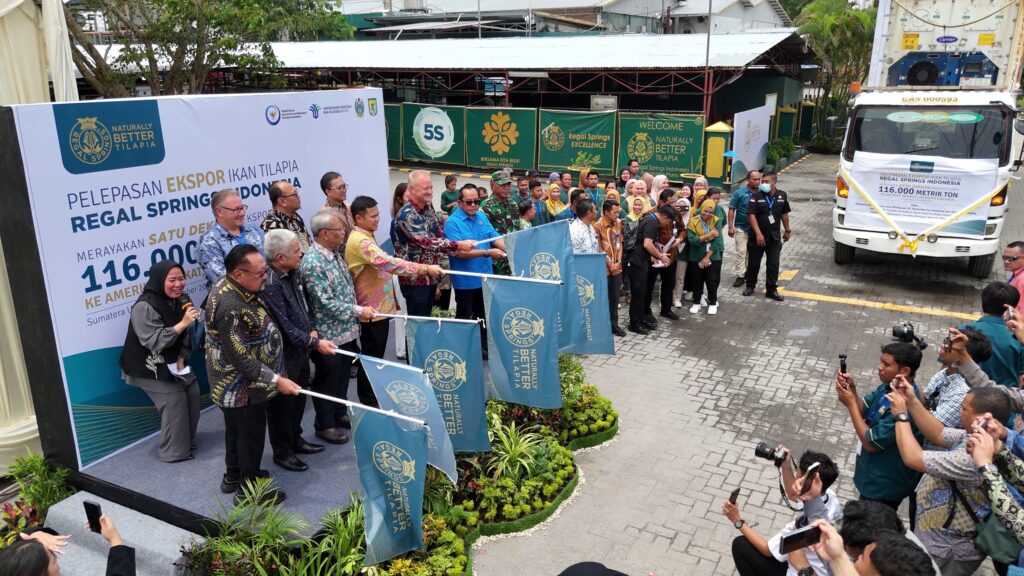
A Reflection of Indonesia’s Fisheries Industry Contribution
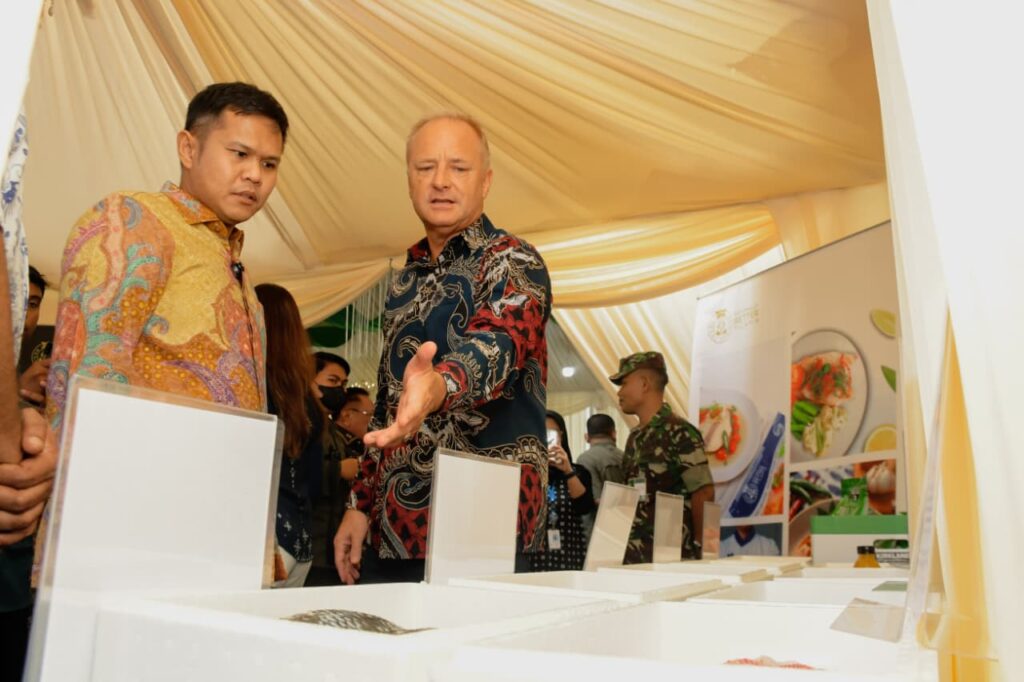
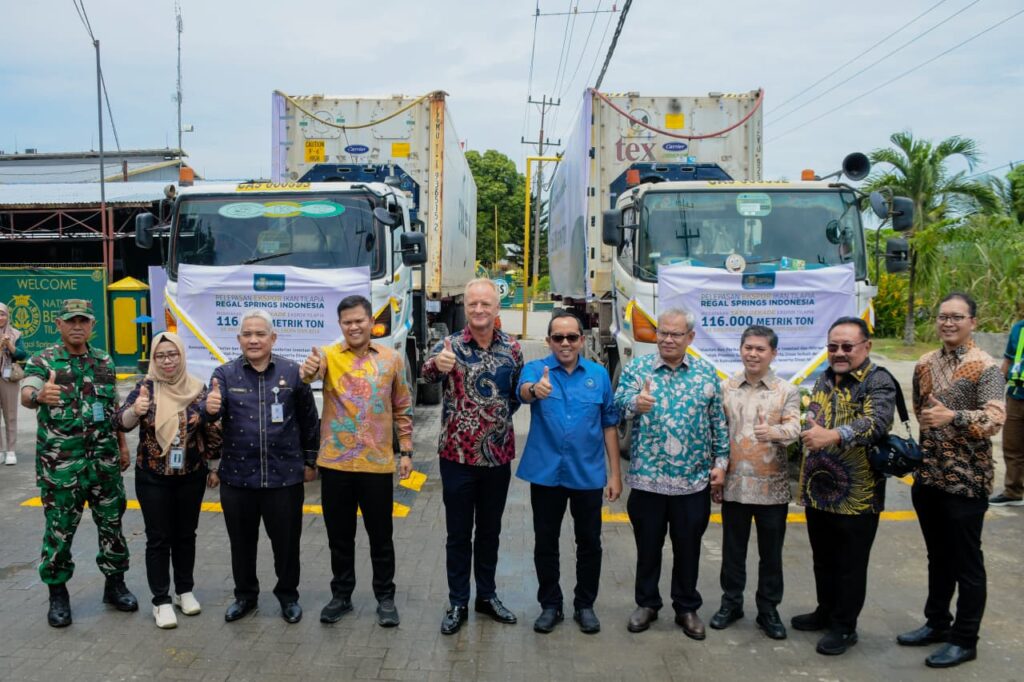
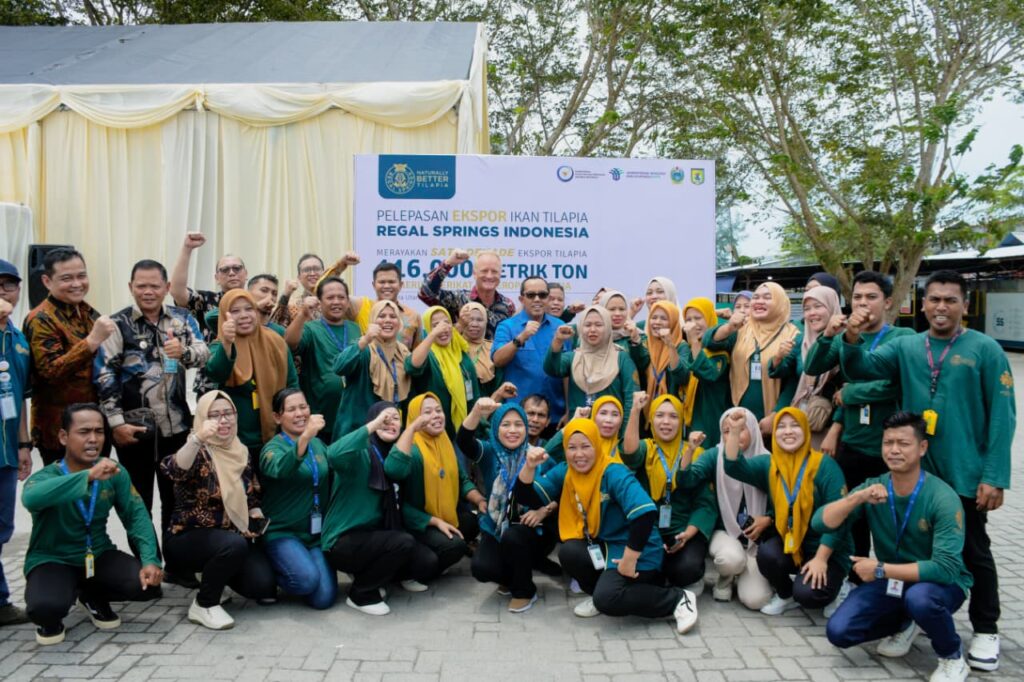
Medan (September 25) – Regal Springs Indonesia (PT Aqua Farm Nusantara), a tilapia farming and processing company that has been operating since 1988, held a Tilapia Export Release Ceremony to mark a decade of exporting 116,000 metric tons of tilapia to the United States, Europe, and Asia at its processing plant in Serdang Bedagai Regency, North Sumatra.
The event was attended by the Director General of Strengthening the Competitiveness of Marine and Fisheries Products of the Ministry of Marine Affairs and Fisheries, Tornanda Syaifullah, S.E., M.M., Ak., CSFA; Director of Marketing, Erwin Dwiyana, S.Pi., M.Sc; Deputy for Investment Services of the Ministry of Investment/BKPM, Drs. Iwan Suryana; Director of Fisheries and Marine Downstreaming, M. Faizal, S.T., M.M.; Vice Regent of Serdang Bedagai, H. Adlin Umar Yusri Tambunan, S.T., M.S.P.; Head of the North Sumatra Marine and Fisheries Office, Ir. Supryanto, M.M., along with representatives from related agencies.
President Director of Regal Springs Indonesia, Rudolf Hoeffelman, emphasized that this achievement demonstrates the quality of Indonesian tilapia, which is able to compete in the global market.
“Today, Regal Springs Indonesia is shipping 113 metric tons of downstream tilapia products to the U.S. In 2025, our exports to the U.S. will reach more than 6,000 metric tons, a significant milestone that reflects the company’s capability to sustain and enhance both production and quality,” said Rudolf.
He further highlighted that this accomplishment is the result of integration across Regal Springs Indonesia’s units, from hatchery, farming, and feedmill to processing plants.
“We have invested more than USD 100 million and created direct employment for over 2,000 people. We hope to gain continuous support from both central and local governments so that we can keep making a sustainable contribution, empowering more communities, and creating multiplier effects for surrounding communities and SMEs,” Rudolf added.
Looking ahead, Rudolf affirmed Regal Springs Indonesia’s commitment to continue investing in its integrated operations, supporting downstreaming to produce higher value-added products for international markets, and launching a plasma partnership program around Lake Toba to empower local farmers.
“We aim to enhance sustainability, boost regional economies, and ensure our operations remain responsible and impactful,” Rudolf concluded.
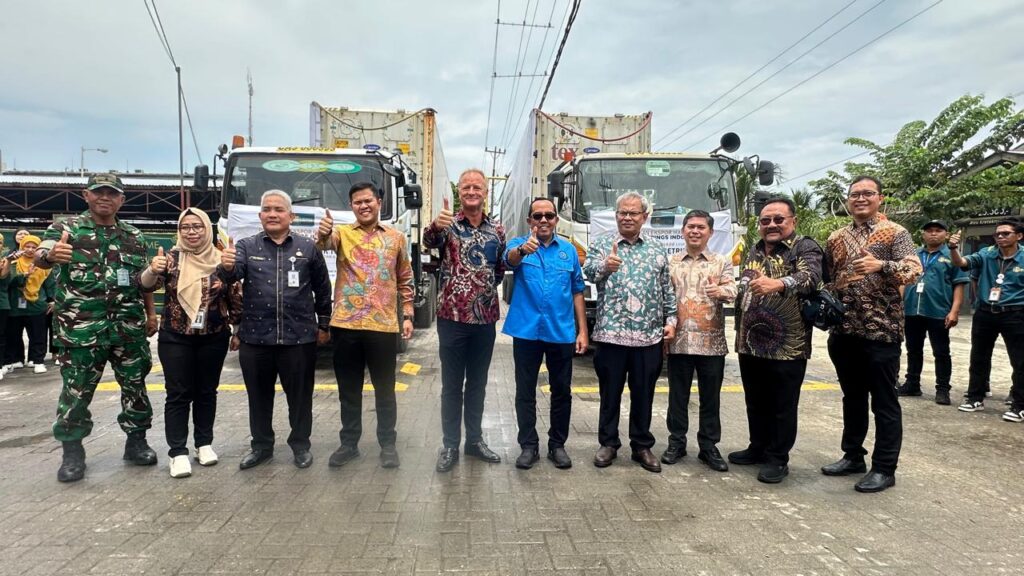
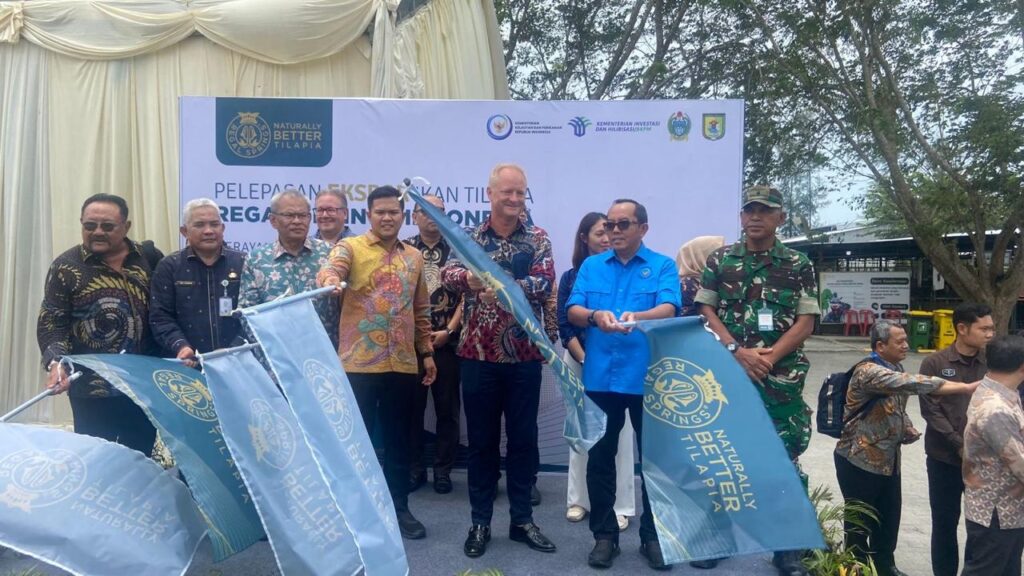
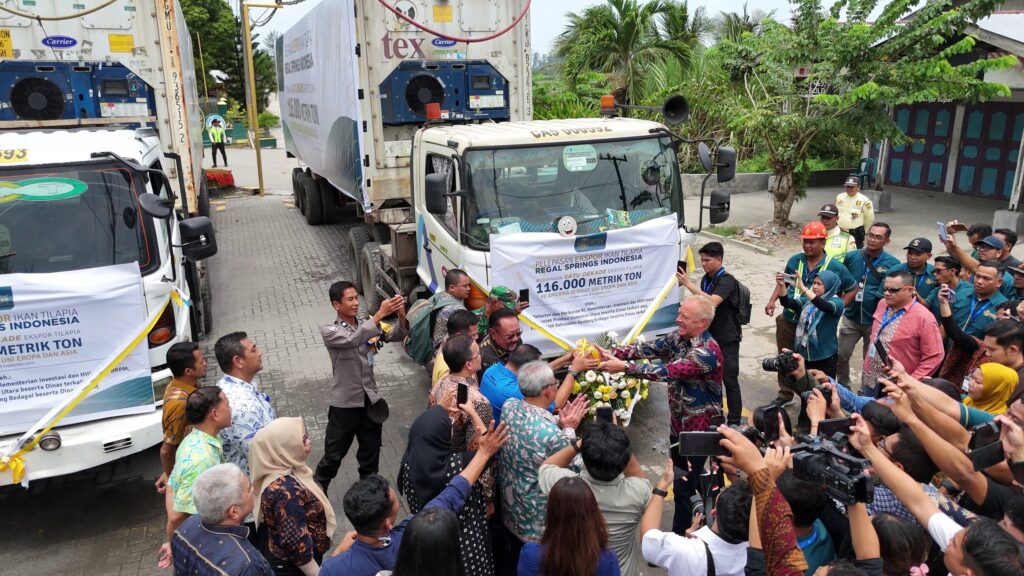
The majority of Regal Springs Indonesia’s products are frozen tilapia fillets, with more than 90% exported to the United States. In addition to fillets, Regal Springs Indonesia also exports by-products such as skin, scales, and other fish parts, which are utilized by other industries to create value-added products.
According to data from the Ministry of Marine Affairs and Fisheries, Indonesia’s fishery export performance in 2024 reached USD 5.95 billion, an increase of 5.7% compared to the previous year, with a total volume of 1.43 million tons. This achievement positioned Indonesia as one of the world’s leading fishery product suppliers, accounting for 3.2% of global imports in 2024.
The main export destinations for Indonesian fishery products are the United States (USD 1.90 billion), followed by China, ASEAN countries, Japan, and the European Union.
Tilapia is one of Indonesia’s leading fishery commodities, with export values in 2024 increasing by 14.4% compared to the previous year. The United States remains the largest export market for Indonesian tilapia, representing 64.8% of Indonesia’s total tilapia exports.
Minister of Marine Affairs and Fisheries, Sakti Wahyu Trenggono, in his opening remarks delivered by Director General of Strengthening the Competitiveness of Marine and Fisheries Products, Tornanda Syaifullah, S.E., M.M., Ak., CSFA, expressed his appreciation to Regal Springs Indonesia and other fishery industry players for their contribution to export growth.
“Regal Springs Indonesia, or PT Aqua Farm Nusantara, has been established since 1988. The company has proven its commitment to responsible and sustainable aquaculture practices. With international certifications such as the Aquaculture Stewardship Council (ASC), Best Aquaculture Practices (BAP), British Retail Consortium Global Standards (BRCGS), and International Featured Standards (IFS), Regal Springs Indonesia ensures its products meet the highest quality standards in the global market,” said Sakti.
“This success is not only reflected in export figures but also generates significant economic and social benefits. The export release of Regal Springs Indonesia is expected to inspire other fishery industries to expand their export markets,” he added.
FAO data for the first quarter of 2025 shows that global tilapia production is dominated by China, with exports still concentrated in the United States, reaching USD 118 million, an increase of 42% compared to the previous year. Neighboring countries such as Vietnam also recorded significant growth in tilapia production and exports. This situation calls for the Indonesian government and industry players to respond with innovation and improvements, both in upstream areas such as hatchery and farming, as well as downstream processing sectors.
Deputy for Investment Services of the Ministry of Investment/BKPM, Iwan Suryana, in his remarks stated that Regal Springs Indonesia, one of the foreign investment (PMA) champions in the fisheries sector, has been investing in Indonesia for more than 35 years, particularly in tilapia, which is one of Indonesia’s leading fishery commodities.
“Regal Springs Indonesia is one of the success stories of how collaboration between foreign investment, the government, and local communities has developed Indonesia’s natural resources, particularly in the fisheries sector, into one of the country’s sources of foreign exchange,” said Iwan.
“As we all know, the President has emphasized on various occasions that downstreaming is part of the government’s strategy to achieve 8% economic growth. Investment is also one of the key components driving economic growth, alongside household consumption, government spending, and net exports,” he added.
In the marine and fisheries sector, six key commodities are prioritized for development under the Strategic Investment Downstreaming Roadmap: Tuna-Skipjack-Mackerel (TCT), Tilapia, Shrimp, Blue Swimming Crab, Salt, and Seaweed. From these six commodities, the government projects an investment potential of USD 15.3 billion by 2040.
“Achieving this target will not be an easy task. Various internal and external challenges must be addressed proactively by both the government and industry players,” Iwan concluded.